

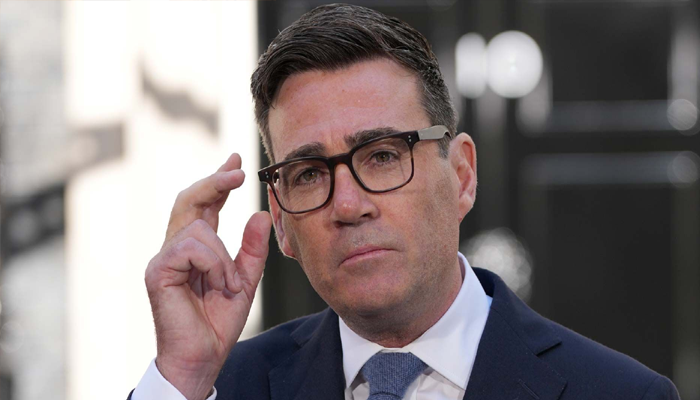
UNITED KINGDOM: Andy Burnham officially became the United Kingdom’s Prime Minister on Monday, becoming the country’s seventh leader in just a decade.
Taking office at 10 Downing Street, the new Labour leader pledged to end years of political instability and introduce a bold economic and political reform agenda aimed at improving living standards across Britain.
Addressing supporters outside Downing Street, Burnham said the country had grown tired of constant changes in leadership and political uncertainty. He acknowledged public frustration with Westminster and promised to deliver both immediate relief for struggling households and a long-term strategy to rebuild confidence in government.
“I know people at home are fed up with politics. We have not been good enough, and we need to be better,” Burnham said during his first speech as prime minister. He described his administration as a “circuit-breaker” for Britain, promising the biggest political and economic changes in four decades.
The 56-year-old former Mayor of Greater Manchester succeeds fellow Labour politician Keir Starmer, who stepped down after being removed by his own party lawmakers last month. Starmer described serving as prime minister as “the privilege of my life” and publicly offered Burnham his full support as the new leader begins forming a government.
Burnham’s immediate priorities include tackling the cost-of-living crisis, reducing homelessness, and boosting economic growth. He announced that his government would unveil a package of measures on Tuesday to provide households with financial relief while outlining how those policies will be funded.
One of Burnham’s flagship commitments is ending rough sleeping by expanding public housing and increasing affordable homes across the country. He argued that investing in housing would reduce long-term welfare spending, allowing Britain to strengthen public services and increase defence investment.
The new prime minister also confirmed that later this year he will introduce a comprehensive 10-year “Plan for Britain”, setting out his government’s roadmap for economic recovery, infrastructure development, and public sector reform. The strategy is expected to focus on making everyday life more affordable while creating opportunities across all regions of the UK.
Burnham now faces the challenge of selecting his cabinet, including a finance minister who will oversee fiscal policy during a period of sluggish economic growth and rising public spending demands. Senior Labour figures, including Energy Secretary Ed Miliband and Home Secretary Shabana Mahmood, are reportedly among the leading contenders for key cabinet roles.
Before taking office, Burnham also scrapped plans requiring all employees to hold digital identity documents, calling for a different approach to immigration and public administration. He has also signalled stronger government oversight of utility companies and a review of taxation, energy policy, and public investment.
With Labour seeking to counter the growing popularity of Nigel Farage’s Reform UK, Burnham’s leadership will be closely watched as he attempts to restore political stability and deliver the economic reforms he has promised.