

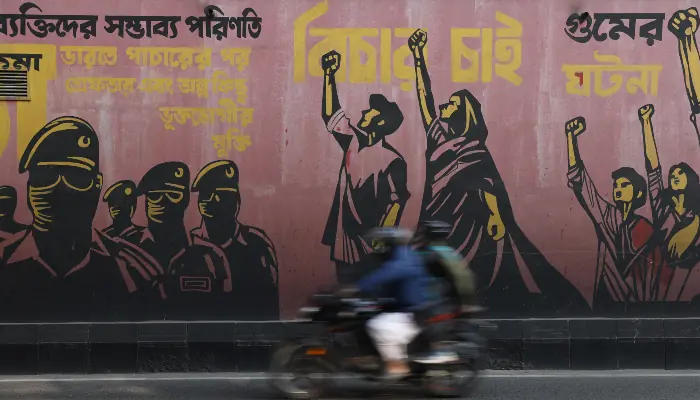
DHAKA: The Bangladesh Nationalist Party (BNP) has secured a historic two-thirds majority in the country’s 13th general election, marking a monumental shift in the South Asian nation’s political landscape. Returning to power after two decades, the BNP and its allies have captured at least 212 of the 299 seats contested. This decisive mandate is widely seen as a vote for stability following months of economic disruption and political unrest that followed the 2024 ouster of Sheikh Hasina in a student-led uprising.

Election Commission officials confirmed that voter turnout reached nearly 60%, a significant increase from the 42% recorded in the 2024 polls. The election, characterized by international observers as the most competitive in recent memory, also included a successful constitutional referendum on the July Charter. Early results indicate the reform package passed with over 65% support, introducing crucial changes such as a two-term limit for prime ministers and enhanced judicial independence.
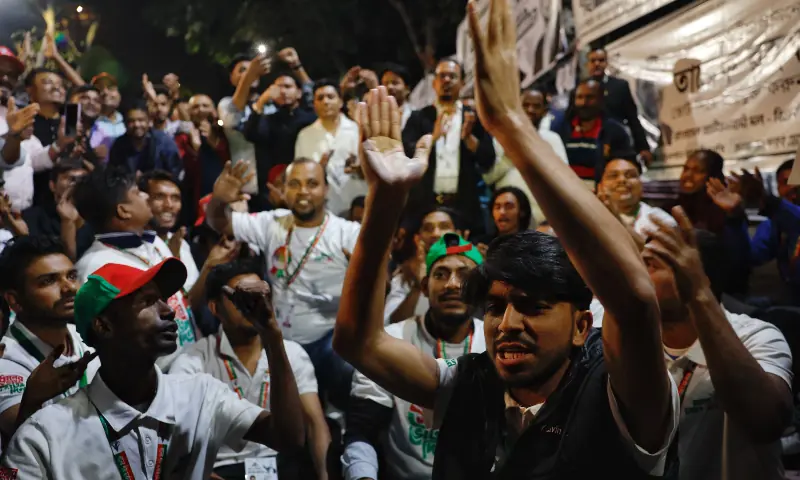
BNP Acting Chairman Tarique Rahman, who returned to Dhaka in December after 17 years in exile, is poised to be sworn in as the next prime minister. In a victory statement, the BNP thanked the people for their trust but urged supporters to refrain from celebratory rallies, calling instead for special prayers for national prosperity. The party’s manifesto focuses on job creation, agricultural fair prices, and the stabilization of the vital garments sector, which is the world's second-largest exporter.
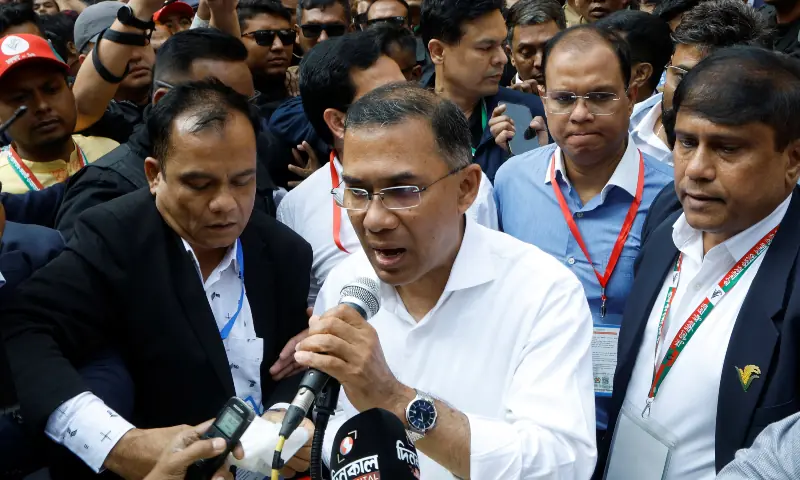
Regional leaders, including Pakistan’s Prime Minister Shehbaz Sharif and India’s Narendra Modi, have extended their congratulations to Tarique Rahman. President Asif Ali Zardari also felicitated the BNP, expressing hope for renewed regional cooperation through forums like SAARC. While the Islamist Jamaat-e-Islami and its allies secured 77 seats to form a strong opposition, the overall results suggest a clear path for the BNP to implement comprehensive reforms aimed at building a more inclusive and democratic Bangladesh.