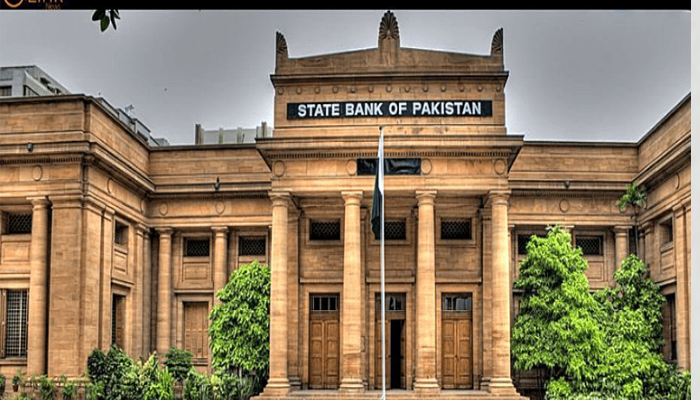

ISLAMABAD: The federal government has officially transferred the authority over cotton export matters from the Trade Development Authority of Pakistan (TDAP) to the State Bank of Pakistan (SBP), marking a significant policy shift aimed at strengthening oversight, transparency, and compliance in the country’s cotton export sector.
The decision was notified through S.R.O. 2486(I)/2025, issued by the Ministry of Commerce under the powers granted by Section 3(1) of the Imports and Exports (Control) Act, 1950. Through this notification, the government has amended provisions of the Export Policy Order, 2022, introducing new regulatory requirements for cotton exporters.
According to the revised policy, cotton exporters will now be required to deposit a security amount equal to one percent of the total contract value with the State Bank of Pakistan. Exporters must also present a confirmation letter issued by the SBP to customs authorities along with their shipping documents before exports are allowed to proceed. This change effectively shifts financial oversight and enforcement responsibilities from TDAP to the central bank.
In addition to the security deposit, the amended rules require buyers to open an irrevocable letter of credit for cotton export contracts. The policy further mandates that the shipment of the contracted cotton quantity must be completed within 180 days from the opening of the letter of credit. In cases where exporters fail to meet the shipment deadline or do not fulfill the contract in full, the State Bank of Pakistan will forfeit the security deposit proportionate to the quantity that remains unshipped.
Government officials believe the move will help curb speculative trading, discourage non-serious exporters, and reduce instances of contract defaults that have historically affected Pakistan’s credibility in international cotton markets. By placing export-related financial guarantees under SBP supervision, authorities aim to ensure stricter enforcement of export commitments and better alignment with international trade practices.
The decision comes at a time when Pakistan’s cotton sector is facing multiple challenges, including fluctuating global prices, subdued trading activity, and declining domestic production. Industry stakeholders have long called for clearer policies and stronger monitoring mechanisms to stabilize exports and protect genuine exporters from market volatility and unfair competition.
While exporters may initially face higher compliance requirements, analysts suggest that the policy could improve long-term confidence among international buyers by ensuring timely deliveries and reducing contractual risks. The requirement for irrevocable letters of credit is also expected to strengthen payment security and reduce financial disputes between buyers and sellers.
The Ministry of Commerce has stated that the new framework will be implemented immediately and urged exporters to familiarize themselves with the revised procedures to avoid delays or penalties. Market participants are now closely watching how effectively the State Bank of Pakistan manages its expanded role and whether the changes lead to improved export performance and greater stability in Pakistan’s cotton trade.
This policy shift underscores the government’s broader effort to reform export regulations and enhance institutional accountability across key sectors of the economy.