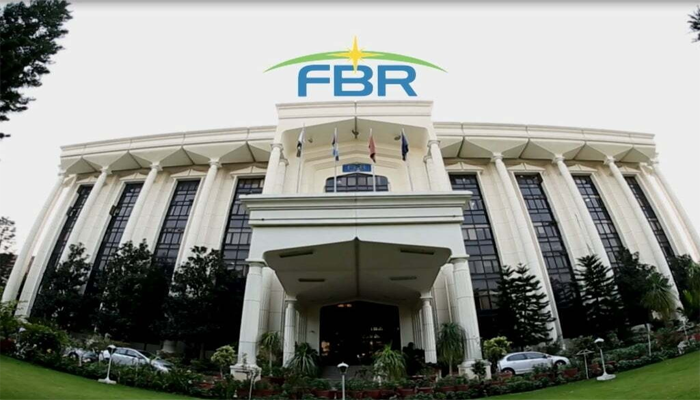

ISLAMABAD: The Federal Board of Revenue (FBR) has proposed imposing capital gains tax on the sale of inherited properties, a move that could significantly impact Pakistan’s real estate sector and property owners.
The proposal was discussed during a meeting of the National Assembly Standing Committee on Finance chaired by Syed Naveed Qamar.
According to FBR officials, the value of an inherited property will be determined based on its market value at the time of the original owner’s death. Any increase in value between the date of inheritance and the date of sale would be subject to capital gains tax.
Officials explained that if a property was valued at Rs8 million when the owner passed away and was later sold for Rs10 million, tax would be charged on the Rs2 million gain. The proposed mechanism is aimed at documenting property transactions and improving tax collection from the real estate sector.
The FBR further clarified that inherited properties transferred through family settlements would receive legal protection, with the original valuation linked to the date of the deceased owner’s death. However, committee chairman Syed Naveed Qamar suggested that the valuation should instead be calculated from the date ownership is formally transferred to the heir.
Members of the standing committee supported the suggestion and recommended that the actual value be determined from the date of transfer of ownership. The proposal is expected to undergo further review before becoming part of the final tax framework.
In a separate development, the committee approved a proposal making electronic filing of income tax returns mandatory. Under the new system, taxpayers will be required to submit returns through the FBR’s IRIS portal, while companies must file financial statements in machine-readable formats.
FBR officials stated that Pakistan has largely shifted to digital tax filing since 2013. While manual submissions continued in a few cities, including Gujranwala, the new proposal seeks to fully digitize the tax filing process, improve transparency, and enhance compliance across the country.