KARACHI: The National Electric Power Regulatory Authority (NEPRA) has introduced a major relief for solar energy users by amending the Solar Regulations 2026, eliminating the requirement for prior approval from the regulator for consumers installing solar power systems with a generation capacity of up to 25 kilowatts (kW).
According to a notification issued by NEPRA, the responsibility for approving such solar installations has now been delegated to the respective electricity distribution companies (DISCOs). The move is expected to simplify the installation process, reduce delays, and encourage more households and businesses to adopt renewable energy solutions.
The latest amendment is being viewed as a significant step toward promoting clean energy in Pakistan, where demand for solar power has surged due to rising electricity tariffs, frequent power outages, and prolonged load-shedding. Consumers have increasingly turned to solar energy as a cost-effective and reliable alternative to conventional electricity.
By transferring approval authority to distribution companies, NEPRA aims to make the process more efficient and accessible for consumers. Applicants installing systems of up to 25kW will no longer need to seek direct clearance from the regulatory authority, reducing paperwork and speeding up project implementation.
Pakistan has rapidly emerged as one of the fastest-growing solar energy markets in the region. The expansion is no longer limited to large commercial users or affluent households. Families from lower and middle-income groups are also investing in solar systems to reduce monthly electricity bills and achieve greater energy independence.
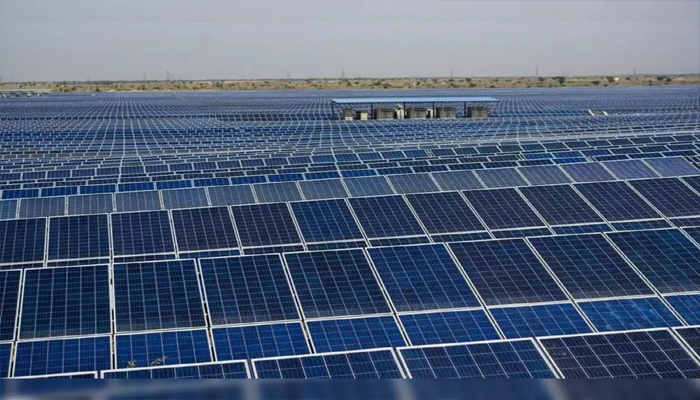
Recent estimates indicate that between 15 and 25 percent of households across Pakistan are now using some form of solar energy. These installations range from basic solar-powered lighting systems in rural areas to fully integrated rooftop solar setups and hybrid systems connected to the national electricity grid through net metering.
Industry experts believe the revised regulations will further accelerate the country's transition toward renewable energy by removing bureaucratic hurdles for small-scale consumers. Easier approvals are expected to encourage wider adoption of rooftop solar systems, helping reduce pressure on the national power grid while lowering electricity costs for consumers.
The policy change also aligns with Pakistan's broader efforts to diversify its energy mix and increase reliance on sustainable power sources. With electricity demand continuing to rise, renewable energy is expected to play an increasingly important role in ensuring energy security and reducing dependence on imported fuels.
The amended Solar Regulations 2026 are likely to benefit thousands of prospective solar users, making the installation process faster, more convenient, and more affordable while supporting Pakistan's growing shift toward clean and renewable energy.