
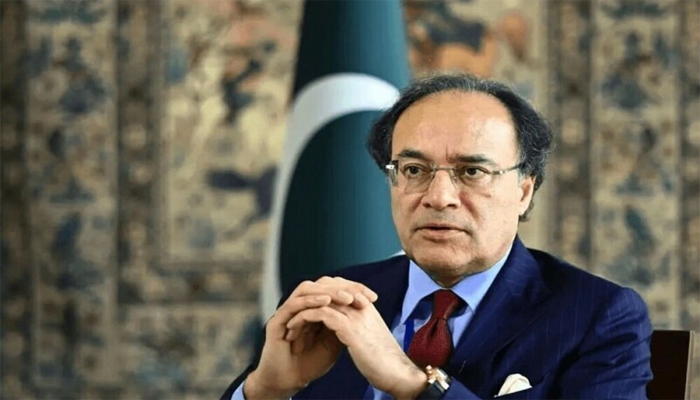
ISLAMABAD: Finance Minister Muhammad Aurangzeb on Monday unveiled a series of tax adjustments aimed at offsetting the revenue impact of tax relief extended to the salaried class, as part of Pakistan’s fiscal commitments to the International Monetary Fund (IMF).
Speaking in the National Assembly during his budget wrap-up speech, Aurangzeb emphasized that the new measures are designed to avoid burdening the industrial and commercial sectors while maintaining fiscal discipline.
Among the key proposals is a hike in tax on income from the debt portion of mutual fund dividends issued to companies, raising the rate from 25% to 29%. The government also proposed a 20% tax on profits earned by corporations through investments in government securities, a move intended to steer credit flow toward the private sector.
In a surprising addition, a federal excise duty of Rs10 has been imposed on one-day-old chicks, bringing the poultry industry into the tax net.
Aurangzeb reiterated the government’s relief for lower-income earners, announcing that the income tax rate for the Rs600,000–Rs1.2 million annual income bracket was reduced to 1%, down from an initial proposal of 2.5%, following the Prime Minister’s directive.
He clarified that tax on pensions will not apply to commutation or gratuity amounts, nor will there be any change to the voluntary pension regime. Only pensions exceeding Rs10 million annually will be taxed, with exemptions for pensioners aged 75 and above.
Significant reforms were also proposed in the Federal Board of Revenue’s (FBR) authority. Arrests in alleged tax fraud cases below Rs500 million will now require a court warrant and the approval of a three-member committee. Accused individuals must be presented before a judge within 24 hours.
Aurangzeb announced a reduced 10% sales tax on solar power equipment, applicable to only 46% of imported components, with a minor 4.6% cost impact.
Restrictions on high-value purchases by undocumented persons will not apply to residential properties up to Rs50 million, commercial plots up to Rs100 million, and vehicles priced under Rs7 million.
A new sales tax on imported raw cotton and yarn is also proposed to support domestic agriculture and ensure fair pricing between local and imported goods.