
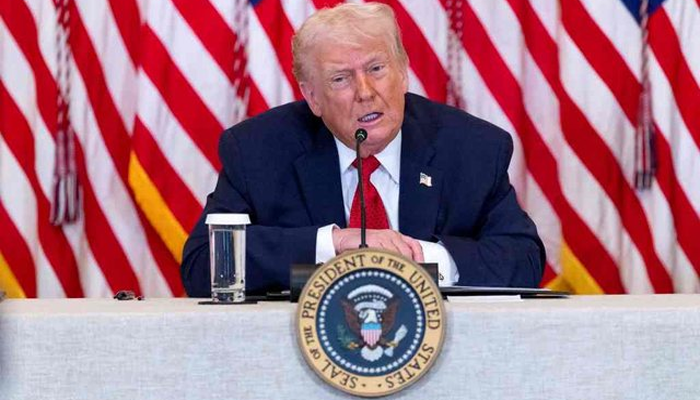
LONDON: Global markets face a fresh bout of volatility this week after President Donald Trump vowed to slap tariffs on eight European nations until the US is allowed to buy Greenland.
Trump said he would impose an additional 10% import tariffs from February 1 on goods from Denmark, Norway, Sweden, France, Germany, the Netherlands, Finland and Britain, which will rise to 25% on June 1 if no deal is reached.
"Hopes that the tariff situation has calmed down for this year have been dashed for now - and we find ourselves in the same situation as last spring," said Berenberg chief economist Holger Schmieding.
Sweeping "Liberation Day" tariffs in April 2025 sent shockwaves through financial markets. Investors then largely looked past Trump trade threats in the second half of the year, viewing them as noise and responding with relief as Trump made deals with the likes of Britain and the European Union.
While that lull might be over, market moves on Monday could be dampened by the experience that investor sentiment had been more resilient and global economic growth stayed on track.
Nonetheless, Schmieding expected the euro could come under some pressure when Asian trade begins.
The euro ended Friday at around $1.16 against the dollar, having hit its lowest levels since late November.
Implications for the dollar were less clear. It remains a safe haven, but could also feel the impact of Washington being at the centre of geopolitical ruptures, as it did last April.