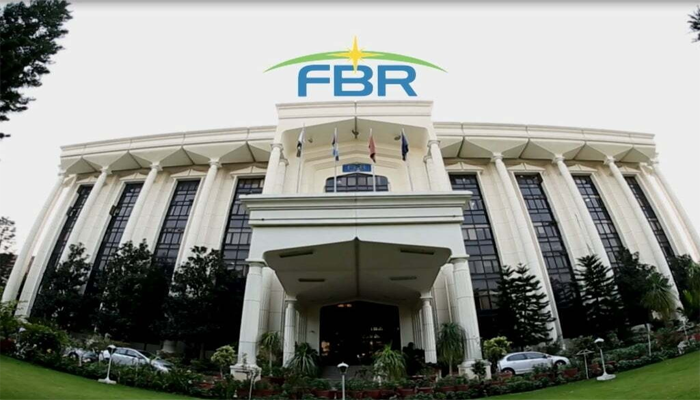


ISLAMABAD: Despite imposing record taxes and pushing households to the brink, the federal government missed its annual tax revenue target by a staggering Rs1.2 trillion, collecting Rs11.73 trillion against the nearly Rs13 trillion goal set for fiscal year 2024-25.
According to provisional figures released by the Federal Board of Revenue (FBR) on the final day of the fiscal year, revenue collection grew by 26% — or Rs2.43 trillion — over the previous year. However, this sharp increase failed to close the gap with an overly ambitious target, which many independent analysts had warned was unrealistic without mid-year fiscal adjustments.
The government had pledged to the International Monetary Fund (IMF) that it would raise the tax-to-GDP ratio to 10.6%, but the actual ratio stood at just over 10.2%, highlighting the limitations of aggressive taxation amid a slowing economy and falling inflation.
In last year’s budget, authorities introduced Rs1.3 trillion in new taxes, burdening the salaried class and even taxing essentials like packaged milk. Yet, even those harsh measures couldn’t meet the target. The missed mark ranks among the largest shortfalls since FY 2019-20, when pandemic-driven disruptions led to a Rs1.6 trillion miss.
FBR Chairman Rashid Langrial, who took office in August 2024, had already cautioned that additional tax measures might yield only Rs650 billion, citing economic slowdown and disinflation. His predecessor, Amjad Zubair Tiwana, had earlier predicted the maximum collection could not exceed Rs11.8 trillion — a forecast that proved accurate.
Finance Minister Muhammad Aurangzeb had vowed to meet the tax goal without introducing a mini-budget. However, the government resorted to raising the petroleum levy to a record Rs78 per litre, up from Rs60, to compensate for the gap and meet primary budget surplus targets.
Even after multiple revisions — with the target brought down to Rs11.9 trillion in June — the government fell short, once again exposing the disconnect between policy ambition and economic reality.