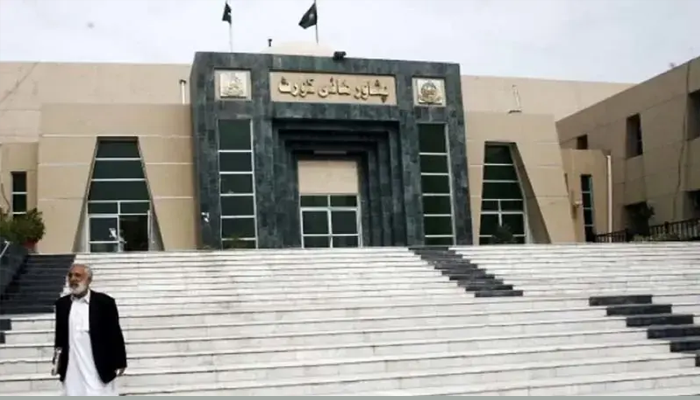

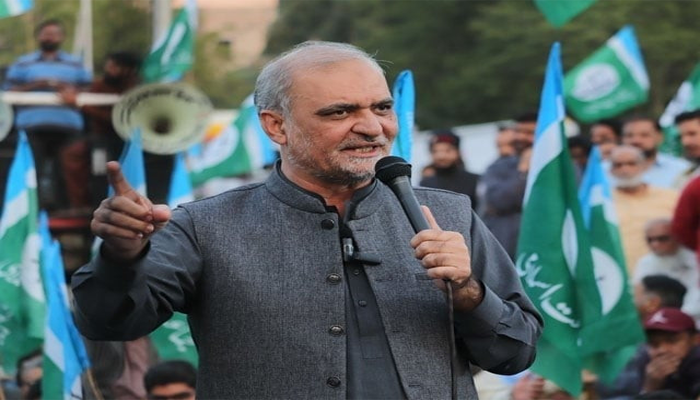
Islamabad: Hafiz Naeem ur Rehman on Monday challenged the recent petrol price increase and fuel levies in the Federal Constitutional Court, calling the measures a severe burden on the people already struggling with inflation and rising living costs in Pakistan.
The constitutional petition, filed by Jamaat-e-Islami, questioned the legality of the Petroleum Levy and the newly imposed Climate Support Levy (CSL). The party argued that the government’s fuel pricing policy violates constitutional provisions, parliamentary authority, the federal structure, and the fundamental rights of citizens.
According to the petition, the Petroleum Levy has moved far beyond its original purpose and is now being used as a major revenue-generating tool by the federal government. Jamaat-e-Islami stated that the levy is being imposed through executive orders, notifications, and SROs rather than proper parliamentary approval, raising serious constitutional concerns.
The petition revealed that the levy on petrol has climbed to nearly Rs117.41 per litre, which makes up around 43 percent of the ex-refinery petrol price. It further stated that the government aims to collect approximately Rs1.47 trillion through the Petroleum Levy during fiscal year 2025-26, while cumulative collections have already crossed Rs6.3 trillion.
Hafiz Naeem argued that the continuous increase in petrol prices and fuel taxes has significantly increased the cost of living, transport expenses, and inflation across Pakistan. The petition also challenged the Finance Act 2025, under which the legal limit on the Petroleum Levy was removed, granting unlimited authority to the executive branch.
The Jamaat-e-Islami chief maintained that the levy is being collected from citizens without offering any direct service or benefit in return. The petition stated that the government has deliberately termed it a “levy” instead of a tax to bypass constitutional taxation requirements.
The petition requested the Constitutional Court to declare Section 3 of the Finance Act 2025 unconstitutional and restore parliamentary oversight on petroleum taxes and fuel levies in Pakistan.