
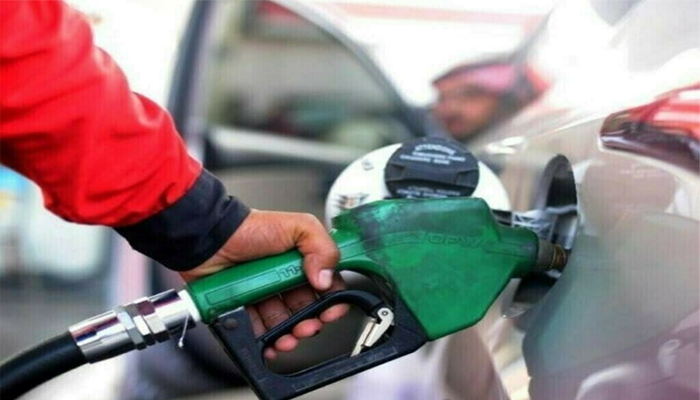
ISLAMABAD: The federal government has increased the petrol price in Pakistan by Rs5.44 per litre and the HSD price increase by Rs31.05 per litre, just hours after introducing a new daily petroleum pricing mechanism aimed at improving transparency.
According to a notification issued by the Petroleum Division on Friday, the price of petrol has been raised to Rs316.15 per litre, while high-speed diesel (HSD) will now cost Rs354.35 per litre. The revised petroleum prices Pakistan will take effect from midnight on Friday and remain applicable until Monday, July 20, 2026.
Earlier in the day, Petroleum Minister Ali Pervaiz Malik, accompanied by Information Minister Ataullah Tarar, announced the government's decision to shift from weekly fuel price revisions to a daily petroleum pricing system. The ministers said the move was introduced in response to heightened volatility in global oil markets triggered by escalating tensions between the United States and Iran.
Addressing a press conference, Malik said the new mechanism would ensure greater transparency in fuel pricing while protecting the national economy from financial risks caused by sudden fluctuations in international crude oil prices. He acknowledged that the latest increase would place additional pressure on consumers but described the decision as necessary for maintaining economic stability.
The government had already moved from fortnightly to weekly fuel price adjustments in March after geopolitical tensions began disrupting global energy markets. The latest policy now allows prices to be revised every day based on international market movements.
Meanwhile, international oil prices continued their upward trend on Friday. Brent crude futures climbed nearly five percent to over $88 per barrel, while US West Texas Intermediate (WTI) crude rose to around $83 per barrel. Analysts attribute the surge to fears of supply disruptions following intensified military exchanges between the US and Iran, with concerns growing over shipping routes through the Strait of Hormuz and the Red Sea.
The sharp rise in global crude prices is expected to keep pressure on domestic fuel rates, making further adjustments possible under Pakistan's new daily pricing mechanism.