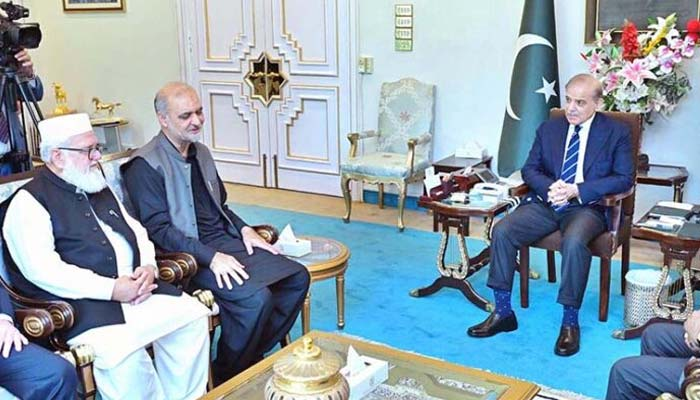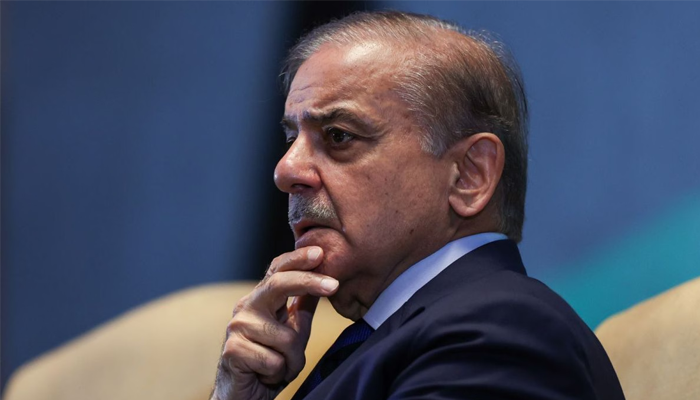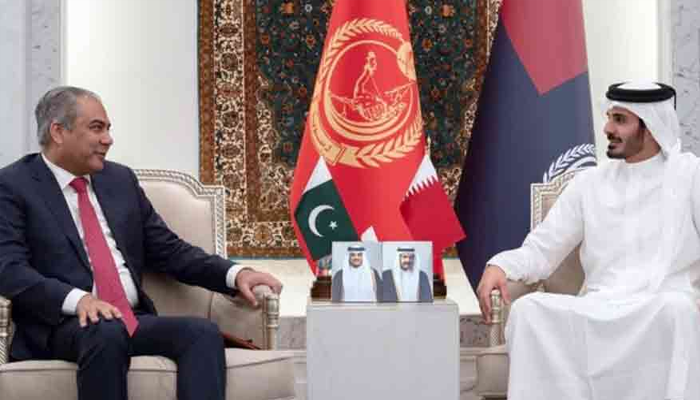

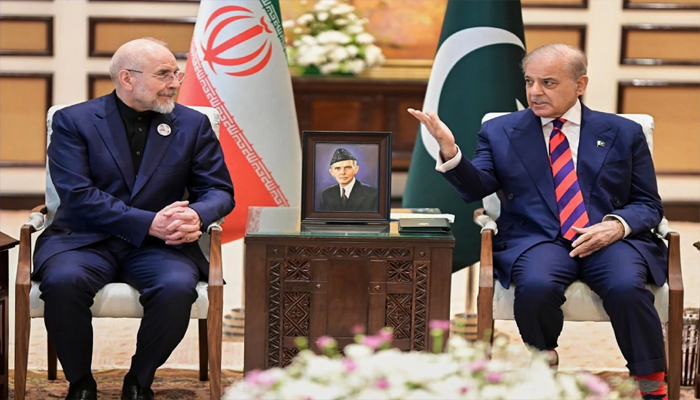
ISLAMABAD: Iran’s diplomatic outreach saw a significant development as a delegation led by Abbas Araghchi concluded its visit to Islamabad after high-level meetings with Prime Minister Shehbaz Sharif and Chief of Defence Forces Asim Munir. The visit comes amid rising efforts to revive dialogue and reduce tensions in the region, particularly concerning ongoing Iran-US disputes.
During the meetings, both sides discussed regional stability, bilateral relations, and prospects for a ceasefire framework. Araghchi described the visit as “very fruitful,” appreciating Pakistan’s role in facilitating dialogue and promoting peace. According to diplomatic sources, the Iranian side conveyed its negotiating position, including key concerns over US demands and conditions for ending hostilities.
Pakistan reaffirmed its stance on diplomacy, with Shehbaz Sharif emphasizing the importance of dialogue in ensuring long-term peace. The discussions, which reportedly lasted around two hours, also focused on strengthening Pakistan-Iran ties and enhancing cooperation on regional security matters. Senior officials including Deputy Prime Minister Ishaq Dar and Iran’s Ambassador Reza Amiri Moghadam were also present.
However, in a parallel development, US President Donald Trump abruptly cancelled the planned visit of his envoys Steve Witkoff and Jared Kushner to Pakistan. The envoys were expected to participate in mediated talks with Iranian representatives in Islamabad.
Trump stated that the decision was based on concerns over time and effectiveness, signaling frustration with the negotiation process. Despite cancelling the trip, he clarified that it does not necessarily indicate a return to conflict, leaving the door open for future diplomatic engagement.
The contrasting developments highlight uncertainty in US-Iran negotiations, even as Pakistan continues to position itself as a key mediator. With diplomatic channels still active, the coming days will be crucial in determining whether dialogue can lead to a sustainable resolution or further geopolitical tension.