
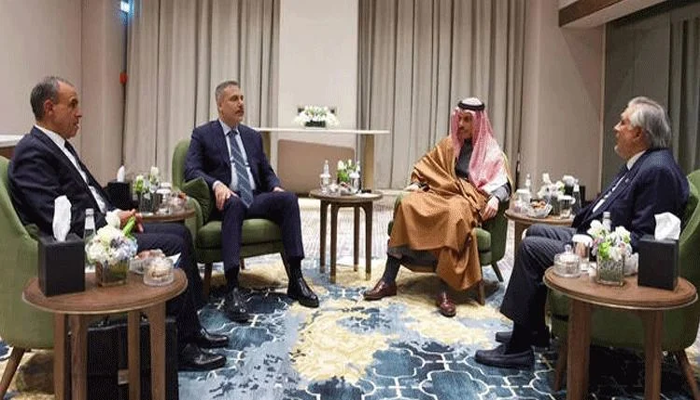
ISLAMABAD: Islamabad is set to become the center of global diplomatic efforts as foreign ministers from Turkiye, Saudi Arabia, and Egypt arrive for a high-level quadrilateral meeting on March 29–30. This critical summit, hosted by Pakistan’s Deputy Prime Minister and Foreign Minister Senator Mohammad Ishaq Dar, aims to address the rapidly escalating tensions in the Middle East. The primary objective of these discussions is to establish a viable framework for de-escalation between Iran and the United States following a series of military strikes and retaliatory actions that began in late February.
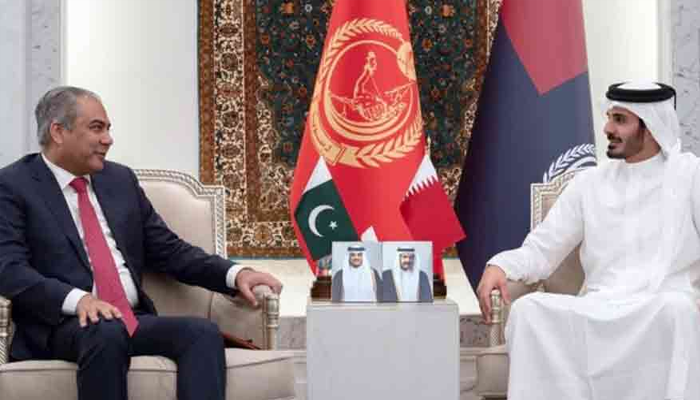
The visiting delegation includes prominent regional leaders such as Saudi Arabia’s Foreign Minister Prince Faisal bin Farhan Al Saud, Turkiye’s Hakan Fidan, and Egypt’s Dr. Badr Abdelatty. According to official statements from the Foreign Office, the group will engage in detailed negotiations to prevent further instability that has recently threatened key oil and civilian infrastructure across the Gulf states. Deputy PM Ishaq Dar confirmed that while the meeting was initially considered for Turkiye, Islamabad was ultimately selected to facilitate these urgent peace talks.
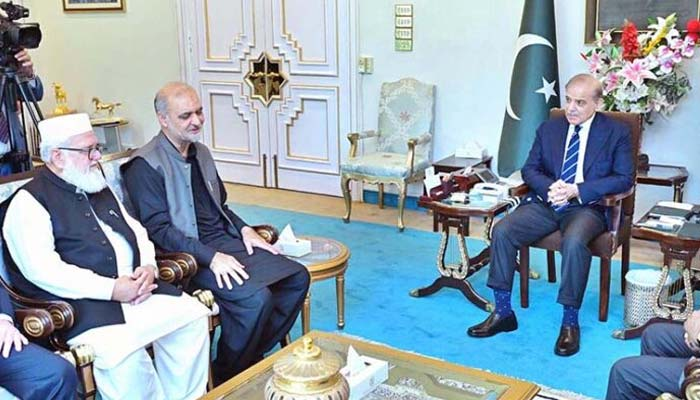
On the second day of the summit, the visiting dignitaries are scheduled to meet with Prime Minister Shehbaz Sharif to further align regional strategies. This diplomatic push is happening alongside significant international developments, including the United Nations' involvement in regional maritime security. UN Secretary-General Antonio Guterres recently announced the formation of a special task force dedicated to the Strait of Hormuz. This initiative is designed to ensure the safe passage of humanitarian aid and essential agricultural goods amid the ongoing naval volatility.
Pakistan’s role in these negotiations highlights its commitment to acting as a constructive mediator among brotherly Islamic nations. By hosting this quadrilateral meeting, the government seeks to create a conducive environment for dialogue and reduce the risk of a wider regional conflict. The sensitive nature of these negotiations has led to a cautious approach in official commentary, yet the presence of these influential foreign ministers in Islamabad underscores a collective determination to find a diplomatic resolution to the current crisis.