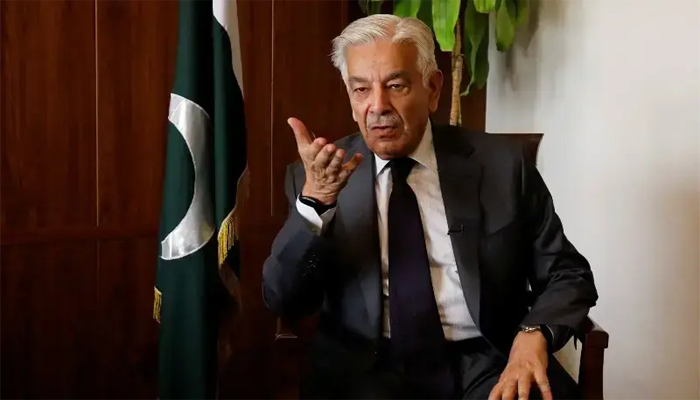

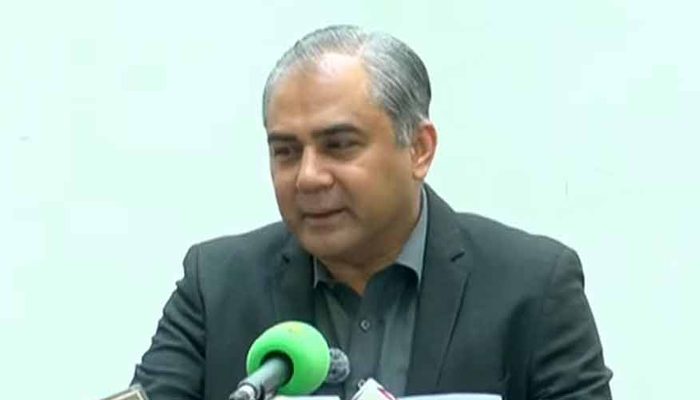
LAHORE: Interior Minister Mohsin Naqvi has reiterated his support for the creation of new provinces and administrative units, saying he would continue to stand by the demand regardless of whether he remained in office.
Speaking at the National Policy Dialogue in Lahore on Saturday, Naqvi said the creation of new provinces should ultimately depend on the will of the people rather than the preferences of governments or political parties.
Naqvi said he would not back down from his position on the issue, stressing that the public’s will was more important than the wishes of those holding public office.
The debate over the creation of new provinces intensified after Naqvi called for additional administrative units last month, arguing that structural reforms were needed to improve governance, ensure justice and create greater opportunities for young people.
Addressing concerns surrounding the proposal, the interior minister urged political parties and the public not to become emotional about the issue, saying the creation of new provinces was not an immediate development.
Naqvi said new administrative units could help ensure balanced and comprehensive development across the country. He questioned whether the existing provincial structure adequately addressed the administrative and economic needs of major cities such as Lahore, Karachi, Peshawar and Quetta.
He said that if new administrative units were necessary for the welfare of the people and enjoyed public support, there should be no obstacle to their creation.
The interior minister stressed that any decision regarding the creation of new provinces must be made within the framework of the Constitution. He said no government or political party should impose such a decision on the people.
Naqvi said the public should first be informed about the potential advantages and disadvantages of creating new provinces before being allowed to decide whether they support the proposal.
Clarifying his earlier call for a “reset”, Naqvi said his remarks were not directed at any political party or existing political arrangement.
He explained that by “reset” he did not mean dismantling the administrative system, but rather correcting a governance structure that, in his view, had failed to deliver effectively over the past 79 years.
Naqvi said the Constitution already provided a framework for the creation of new provinces and stressed that no individual, government or political party should dictate the decision to the public.
The interior minister also highlighted Pakistan’s growing population and questioned why the country continued to resist discussions on restructuring its administrative system.
He said people generally support the creation of new districts and tehsils but often oppose the further devolution of powers to these administrative units.
Naqvi called for a broader national debate on improving governance and ensuring the effective use of the country’s resources. He said governments and policies continued to change, with new budgets and development projects announced, but questions remained about the delivery of services to citizens.
Speaking about public services, Naqvi said every citizen should have access to essential facilities, including education, healthcare, clean drinking water and justice.
The interior minister acknowledged that successive governments over the past 79 years had failed to ensure the provision of these basic amenities to every citizen.
He maintained that meaningful administrative and structural reforms were necessary to improve service delivery and enable Pakistan to realise its full potential.