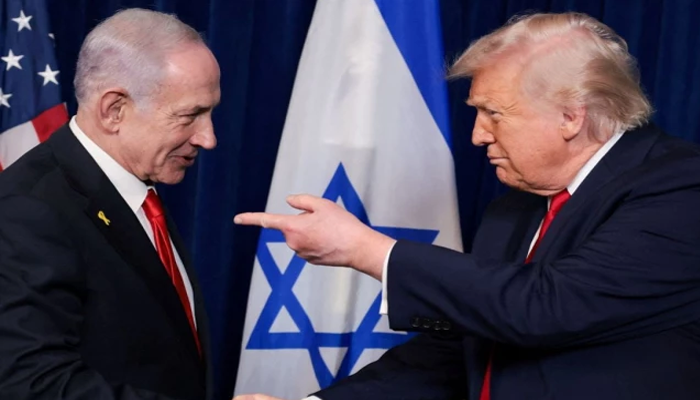
UNITED STATES: Israeli Prime Minister Benjamin Netanyahu said Iran will be the primary focus of his upcoming meeting with US President Donald Trump during his visit to Washington, DC, as regional tensions continue to escalate across the Middle East.
In a statement shared on X before departing for the United States, Netanyahu described the meeting as his eighth with Trump since the US president began his second term. He said the discussions would cover a range of strategic issues, with Iran remaining the top priority.
“Our goal is clear: to safeguard Israel’s security, strengthen its power, and expand the circle of peace around us,” Netanyahu said, adding that he was undertaking the visit with a commitment to ensuring Israel’s long-term security and stability.
The visit comes at a time of heightened regional instability, with Iran, Israel, and several Gulf nations exchanging accusations over military activity and security threats. Saudi Arabia said its air defenses intercepted drones targeting petroleum facilities in the Eastern Province and Riyadh, while Jordan and Israel also reported intercepting drones near their borders.
Meanwhile, Iranian Foreign Ministry spokesperson Esmaeil Baghaei said Tehran had not requested the resumption of negotiations with the United States, insisting that Iran would not allow Washington to dictate the end of the conflict. He also alleged that some Gulf countries had been involved in military operations against Iran, although he did not identify those states.
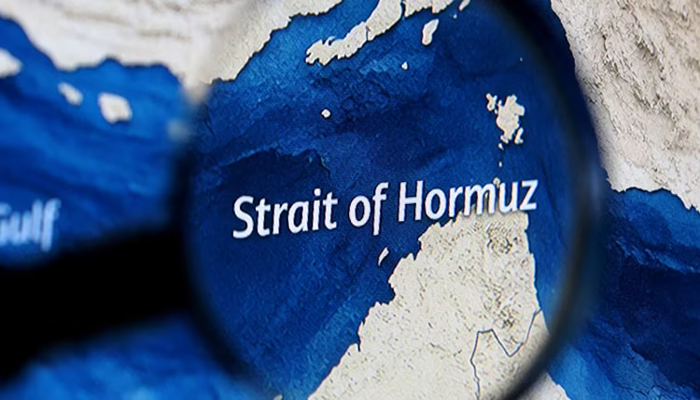
Baghaei further confirmed that Iran and Oman recently held discussions on managing maritime navigation in the Strait of Hormuz, emphasizing that the talks were unrelated to the United States and that the strategic waterway remains under Iran’s control.
The diplomatic developments come amid continued concerns over regional security, shipping disruptions in the Strait of Hormuz and the Red Sea, and renewed international efforts to prevent further escalation. The ongoing tensions have also raised fears over global energy supplies, as the Strait of Hormuz remains one of the world’s most critical oil transit routes.
Analysts say the Trump-Netanyahu meeting could play a significant role in shaping future US-Israel coordination on Iran, regional security, and broader Middle East diplomacy as international pressure mounts to avoid a wider conflict.