

Brent crude futures fell 66 cents, or 0.57 per cent, to $115.15 per barrel as of 0000 GMT. US West Texas Intermediate (WTI) crude declined 44 cents, or 0.43 per cent, to $101.32 per barrel.
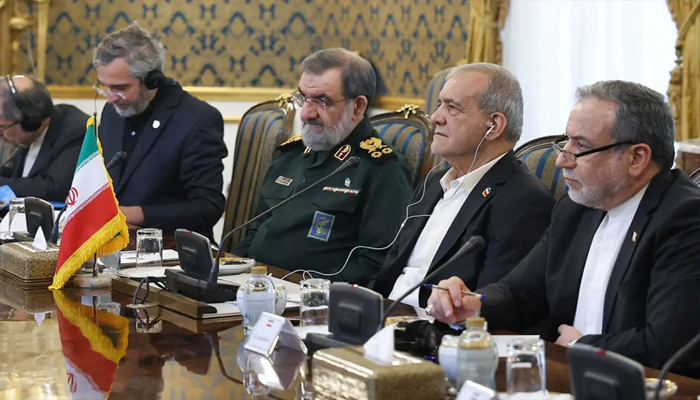
Market sentiment improved after Saudi Arabia, Turkiye and Pakistan held talks with Iranian officials in Tehran on Monday to ease regional tensions and prevent further military escalation.
Saudi Arabia said the visit aimed to establish open channels for negotiations, while Iranian state media reported that the four countries had agreed to continue discussions to strengthen regional peace and security.
The diplomatic engagement reduced some concerns about immediate disruptions to global oil supplies, putting downward pressure on prices. However, investors remained cautious as the prospects for a lasting settlement appeared uncertain.
Renewed Houthi attacks on Saudi Arabia, a major oil producer, further complicated the regional outlook and limited the decline in crude prices.
The conflict has placed the Strait of Hormuz at the centre of global energy concerns. Before the war erupted in February, the strategic waterway carried approximately one-fifth of the world's energy supplies.
According to data compiled by a Washington-based think tank, October has been the worst month for attacks on commercial shipping in the Strait of Hormuz and nearby waterways since its tracking began in 2017.
Last week, Brent crude surged above $117 per barrel, reaching its highest level since April following Iranian attacks on tankers near the strait. Prices also touched $117 on Monday.
Meanwhile, Russian refiners are increasing diesel production in October after the government granted export quotas following a supply agreement with the United States.