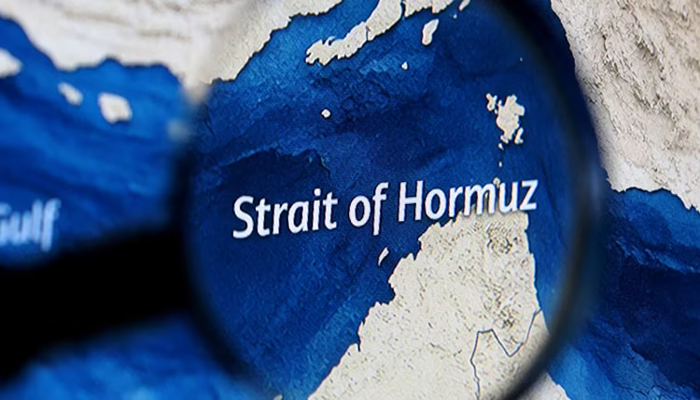
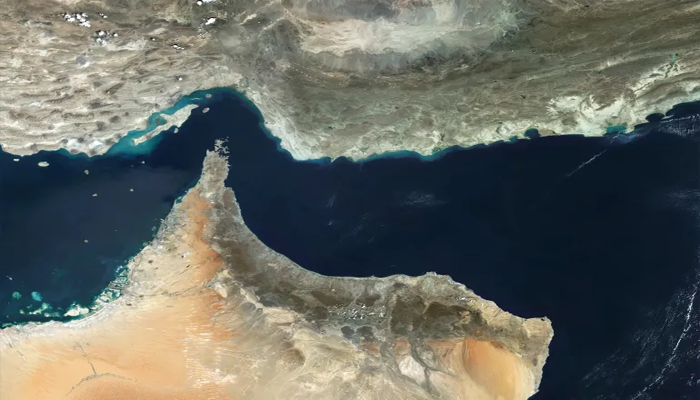
DUBAI: Oman has presented Iran with a Gulf-backed proposal aimed at restoring stability and ensuring safe navigation through the strategically important Strait of Hormuz, according to sources familiar with the discussions. The initiative seeks to end months of disruption to global trade following the recent conflict involving Iran, the United States, and Israel.
According to diplomatic sources, the proposal suggests that the Strait of Hormuz be jointly managed rather than controlled by a single country. It also recommends a system of voluntary contributions from ships using the waterway instead of mandatory transit fees. The model is said to be similar to the voluntary funding mechanism used in Southeast Asia’s Strait of Malacca, where shipping companies contribute to navigation safety, environmental protection, and search-and-rescue operations.
Iran has yet to officially respond to the proposal. A senior Iranian source confirmed that Tehran is still reviewing the Omani initiative, which has received backing from Gulf states as a possible framework to restore commercial shipping and reduce tensions in one of the world’s busiest energy corridors.
The Strait of Hormuz is a vital route for global energy supplies, with nearly one-fifth of the world’s oil and liquefied natural gas shipments passing through the waterway before the conflict disrupted maritime traffic. The recent military confrontation led to severe restrictions on commercial vessels, raising concerns over global energy security and shipping costs.
The proposal comes as diplomatic efforts continue following US President Donald Trump’s decision to halt a two-week bombing campaign against Iran. While Trump has said negotiations are progressing, he has also warned that military action could resume if talks fail to produce an agreement. Iran, however, insists it has not sought fresh negotiations with Washington and accuses the United States of violating previous understandings.
Meanwhile, Gulf Cooperation Council (GCC) foreign ministers held a virtual meeting to discuss regional security and measures to protect freedom of navigation in the Strait of Hormuz. The talks focused on enhancing cooperation to safeguard international shipping and prevent further escalation.
Global oil markets reacted positively to the easing of tensions, with Brent crude and US benchmark oil extending recent losses as investors anticipated improved stability in the region. Analysts believe the future of the Strait of Hormuz will remain a key factor influencing oil prices, global trade, and geopolitical developments in the months ahead.