
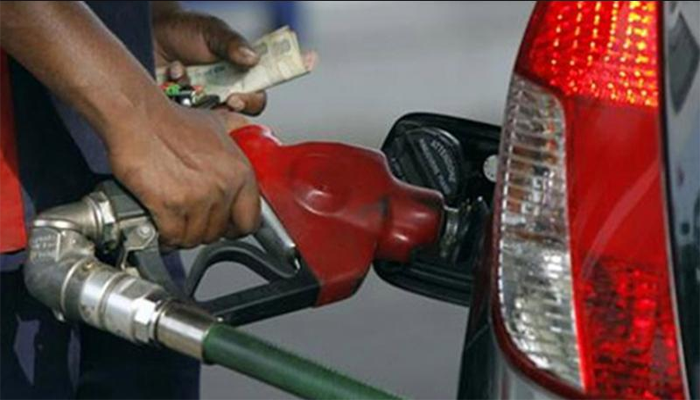
ISLAMABAD: The government on Thursday announced a major increase in petroleum prices, raising petrol by Rs6.51 per litre and high-speed diesel (HSD) by Rs19.39 per litre amid growing economic pressure and global oil market uncertainty.
Following the latest revision, the price of petrol in Pakistan has reached Rs399.86 per litre, while high-speed diesel now costs Rs399.58 per litre. The Petroleum Division confirmed that the new fuel prices became effective from May 1.
The increase in petrol prices is expected to further impact inflation in Pakistan, especially for middle and lower-middle-income households. Petrol is widely used in motorcycles, rickshaws, and private vehicles, making it a key expense for millions of citizens. High-speed diesel, on the other hand, is essential for heavy transport vehicles, agriculture machinery, and industrial generators.
Officials said the fuel price hike came after discussions between Pakistan and the International Monetary Fund (IMF). Sources revealed that Pakistan informed the IMF it was on track to achieve the petroleum levy target of Rs1.468 trillion. The IMF and Pakistani authorities reportedly agreed to maintain the primary balance target, even if additional cuts in the Public Sector Development Programme (PSDP) become necessary.
The IMF executive board is scheduled to meet on May 8 to consider the approval of more than $1.2 billion in financial assistance for Pakistan. Economic experts believe the increase in petroleum prices is linked to efforts aimed at securing the IMF tranche and stabilising Pakistan’s economy.
Meanwhile, rumours regarding the closure of petrol pumps across the country triggered panic among citizens. The Petroleum Division strongly denied the claims and assured the public that petroleum products would remain available without interruption.
The All Pakistan Petrol Pump Owners Association (APPPOA) also dismissed reports of a strike from May 1 to May 5, calling the rumours baseless. Officials confirmed that petrol stations nationwide are operating normally.
The latest developments come as global oil prices remain volatile due to tensions in the Middle East and the closure of the Strait of Hormuz, a key route for global oil and gas supplies. Analysts warn that continued regional instability could push fuel prices even higher in the coming weeks.