ISLAMABAD: Prime Minister Shehbaz Sharif on Thursday emphasized the urgent need to accelerate the discovery of new oil and gas reserves to reduce Pakistan’s heavy dependence on imported petroleum products and conserve valuable foreign exchange. He said strengthening domestic energy production was essential for economic stability and long-term energy security.
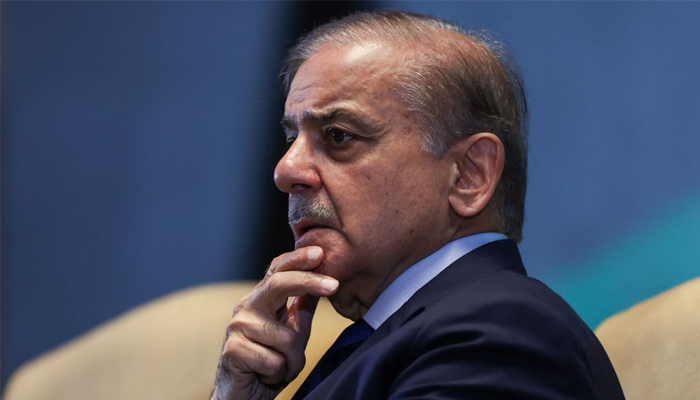
The prime minister made these remarks while chairing a high-level meeting on petroleum sector affairs at the Prime Minister’s Office. During the meeting, he also directed relevant authorities to digitally integrate the entire oil and gas supply chain, from imports and production to distribution and end consumers, on a priority basis.
According to the prime minister, digitisation of the petroleum supply chain would play a critical role in curbing the smuggling of petroleum products, improving transparency, and enhancing revenue collection for the national exchequer. He said modern technology must be used to monitor supply, demand, and distribution in real time to address longstanding inefficiencies in the sector.
The meeting was briefed on a comprehensive roadmap for the petroleum and gas sector. Officials informed the participants that the Oil and Gas Development Company Limited (OGDCL) had made a major oil and gas discovery in the Nashpa Block located in Kohat district of Khyber Pakhtunkhwa. The discovery was described as a significant development for Pakistan’s upstream energy sector.
Congratulating the nation on the new discovery, Prime Minister Shehbaz Sharif appreciated the efforts and performance of OGDCL and other concerned institutions. He was told that the newly discovered reserves have the potential to produce up to 4,100 barrels of oil per day, which would help reduce import bills and strengthen local energy supplies.
The prime minister was also briefed on the current gas supply situation in the country. Officials said that domestic gas consumers are receiving gas at better pressure this winter compared to the same period last year, reflecting improved management and infrastructure development.
Progress on liquefied natural gas (RLNG) connections was also reviewed during the meeting. Authorities informed the prime minister that work on new RLNG connections is moving at a fast pace, with a target of completing 350,000 connections by June 2026. This expansion is expected to improve access to cleaner fuel for households and industries.
In addition, the meeting noted that pipelines for the Shewa and Bettani gas fields have already been commissioned, while construction work on the pipeline from the Kot Palak gas field is currently underway. These projects are expected to further strengthen the country’s gas transmission network.
The meeting was attended by Deputy Prime Minister and Foreign Minister Senator Mohammad Ishaq Dar, Federal Minister for Economic Affairs Ahad Khan Cheema, Minister for Petroleum Ali Pervaiz Malik, along with senior government officials. The prime minister reiterated his commitment to reforms and investment in the energy sector to ensure affordable and reliable energy for the country.