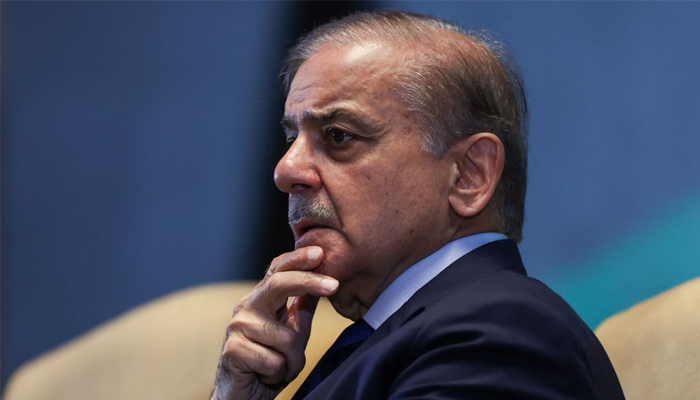
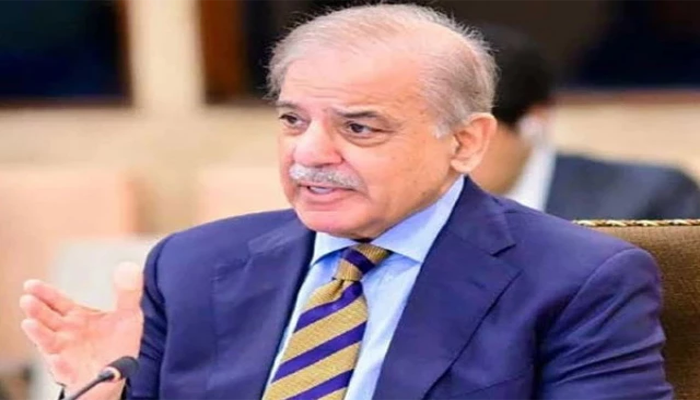
ISLAMABAD: Prime Minister Shehbaz Sharif on Wednesday reaffirmed that export-led economic growth remains one of the government’s highest priorities, as he chaired a high-level meeting to review measures aimed at boosting exports and reducing Pakistan’s trade deficit. Emphasizing the need for a clear and results-oriented approach, the prime minister directed relevant authorities to prepare a comprehensive roadmap to enhance exports, with special focus on agriculture and value-added sectors.
During the meeting, the premier stressed the importance of increasing rice exports and instructed officials to develop a targeted strategy in close coordination with the Rice Exporters Association of Pakistan (REAP). He noted that rice remains one of Pakistan’s key export commodities and has significant potential to earn foreign exchange if supported through improved policies, market access, and government-to-government trade agreements.
Prime Minister Shehbaz also underlined the need to accelerate institutional and structural reforms to make it easier for exporters to conduct business. He clearly stated that delays in the payment of tax refunds to exporters would not be tolerated, describing timely refunds as a critical factor for maintaining liquidity, confidence, and competitiveness in export-oriented industries.
Officials briefed the prime minister on the government’s overall export promotion strategy and shared trade performance data for the period from July to December 2025. The briefing highlighted encouraging efforts to diversify exports by promoting high-value sectors such as engineering goods, pharmaceuticals, medical devices, and processed food products. These sectors are seen as vital for reducing reliance on traditional exports and improving Pakistan’s position in international markets.
The meeting was also informed that Pakistan is actively working to integrate its exports into global value chains. Steps are being taken to improve port operations, logistics infrastructure, and customs procedures to reduce costs and delays for exporters. Improved connectivity and efficient supply chains were described as essential to enhancing Pakistan’s export competitiveness.
In addition, officials shared updates on ongoing negotiations with several countries for government-to-government agreements, particularly related to rice exports. Such agreements are expected to provide stable markets and long-term demand for Pakistani agricultural products.
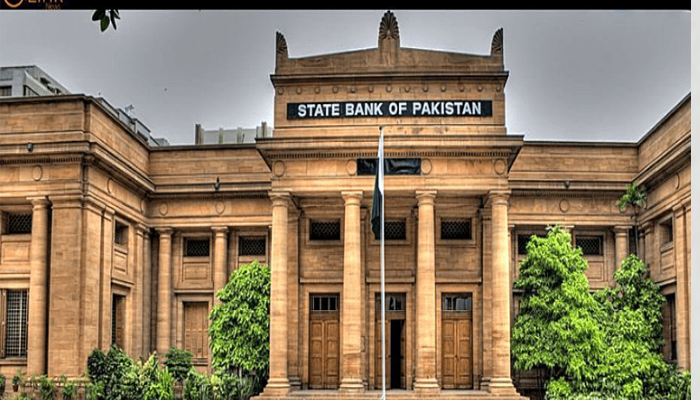
The meeting was attended by Federal Minister for Finance and Revenue Muhammad Aurangzeb, Federal Minister for National Food Security and Research Rana Tanveer Hussain, Federal Minister for Information and Broadcasting Attaullah Tarar, Minister of State for Finance and Railways Bilal Azhar Kayani, Governor State Bank of Pakistan Jameel Ahmad, and senior government officials.
Concluding the meeting, Prime Minister Shehbaz Sharif reiterated that strengthening exports is essential for stabilizing the economy, reducing external pressures, and creating sustainable growth. He urged all institutions to work in coordination to ensure that export-focused reforms are implemented without delay and deliver tangible results for the country’s economy.