ISLAMABAD: Economic analysts warn that Pakistan’s latest power price overhaul is set to trigger a significant 1.1 percentage point jump in inflation over the next twelve months.According to Optimus Capital Management, the restructuring plan aims to shift the International Monetary Fund-mandated subsidy cuts away from the industrial sector and onto middle-class households.This shift is expected to cause residential power bills for the middle class to surge by roughly 50%, adding immense pressure to a population already recovering from one of Asia’s highest inflation spikes.
The new pricing model ends the long-standing cross-subsidy system where businesses effectively subsidized residential energy bills.While this move is projected to lower industrial electricity prices by 13% to 15%, removing approximately 102 billion rupees in subsidies, it leaves residential consumers vulnerable.Consumers using between 100 and 300 units monthly—representing the majority of paying households—could face rate hikes of up to 76% due to the introduction of aggressive fixed monthly charges.Even the lowest-income households, previously exempt from such costs, will now see fixed charges jump from zero to 400 rupees.
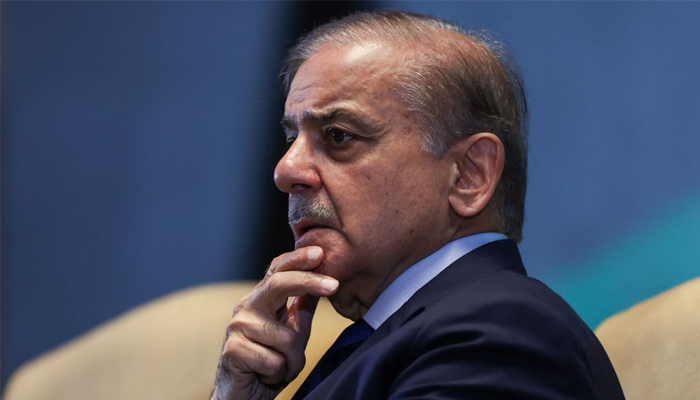
In tandem with these changes, the National Electric Power Regulatory Authority (NEPRA) has introduced a net billing framework that slashes the buyback rate for rooftop solar users.Previously valued at retail parity, surplus solar power exported to the grid will now be purchased at a much lower national average energy price.Prime Minister Shehbaz Sharif has recently ordered a review of these solar regulations to safeguard the rights of existing solar consumers and prevent further cost-shifting.
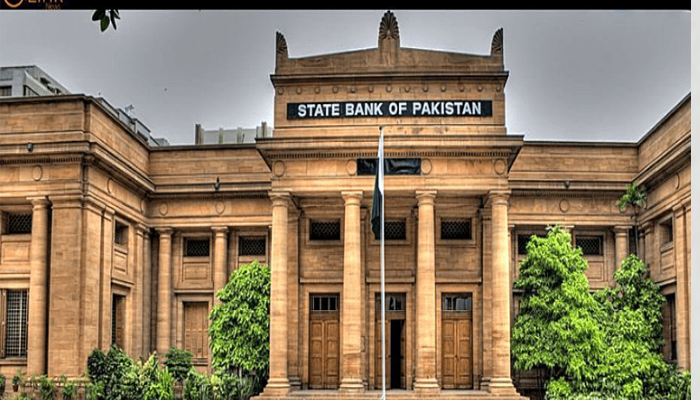
As the State Bank of Pakistan aims to stabilize inflation near 6% for 2026, experts at Renewables First warn that the compounding effect of these utility hikes could undermine purchasing power further. While industry leaders argue that lower costs are vital for export competitiveness in textiles and manufacturing, the transition risks driving wealthier consumers toward full grid defection, potentially destabilizing the national energy system.