
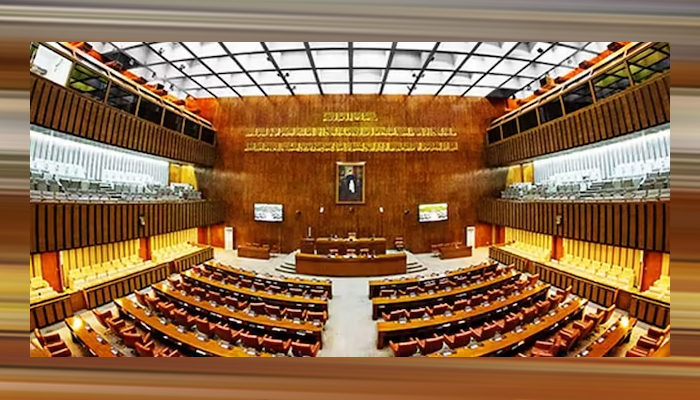
LAHORE: The Punjab Assembly on Monday passed the Child Marriage Restraint Bill 2026, setting 18 years as the minimum legal age for marriage for both boys and girls and declaring underage marriage a non-bailable offence.
The bill was presented by Mujtaba Shujaur Rehman, but the session saw initial controversy as lawmakers were not provided copies of the proposed legislation. This led to a heated debate within the assembly.
Azma Bokhari raised strong objections, calling the situation unprecedented and stressing the importance of transparency. She pointed out that it was the first time members were asked to deliberate on a bill without reviewing its contents. Following her protest, Speaker Malik Muhammad Ahmad Khan directed that copies be immediately distributed.
During the debate, Bokhari emphasized the importance of both physical and mental maturity before marriage and called for strict age verification through official documents such as national identity cards and birth certificates. She also opposed suggestions allowing underage marriages with court permission, arguing such exceptions could undermine child protection efforts.
PML-N lawmaker Zulfiqar Ali Shah expressed concerns about ignoring societal values and questioned a complete ban on early marriages. However, Bokhari countered by highlighting the negative impact of child marriages on girls and criticized harmful practices such as using girls to settle disputes.
She further noted that the Federal Shariat Court had previously upheld similar legislation enacted in Sindh, strengthening the legal basis for the new law.
The bill replaces earlier provisions under the Child Marriage Restraint Act 1929, which allowed girls to marry at 16. The new legislation had already been introduced as an ordinance by Saleem Haider in February but required assembly approval to remain in force.
Lawmakers also passed an important amendment prioritizing the best interests of the child in all legal proceedings related to child marriage. The amendment, moved by Ejaz Augustine and supported across party lines, ensures that children involved in such cases are treated as victims rather than offenders.
The bill was ultimately approved with a majority vote after detailed discussion, marking a significant step toward strengthening child protection laws in Punjab.