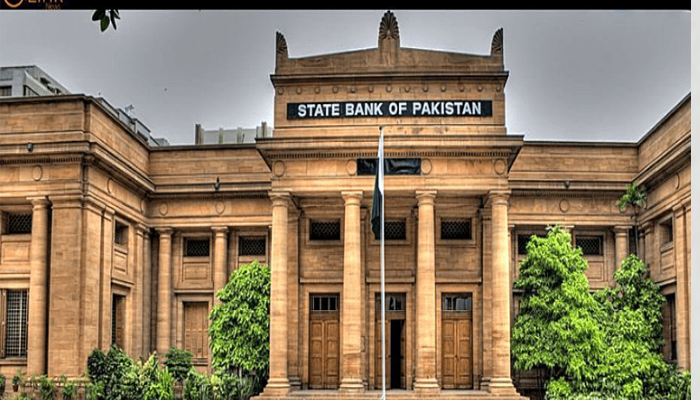
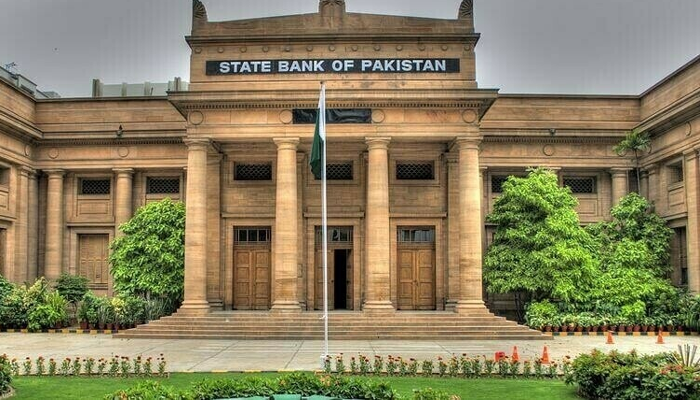
KARACHI: The State Bank of Pakistan has increased the policy rate by 100 basis points to 11.50 percent, effective from April 28, 2026, as rising inflation and global uncertainties continue to challenge the country’s economic outlook.
The decision was taken during the latest meeting of the Monetary Policy Committee, which highlighted that the prolonged Middle East conflict has intensified risks to Pakistan’s macroeconomic stability. According to the central bank, global energy prices, freight costs, and insurance premiums remain significantly elevated, while supply chain disruptions are adding further uncertainty.
The committee noted that inflation is expected to rise in the coming months and may remain above the target range of 5 to 7 percent for most of fiscal year 2027. Headline inflation already climbed to 7.3 percent in March, with core inflation reaching 7.8 percent. The central bank warned that the ongoing energy shock could push inflation into double digits before easing later.
Despite these concerns, Pakistan’s economy has shown signs of recovery. Real GDP growth stood at 3.8 percent during the first half of FY26, compared to 1.9 percent in the same period last year. Large-scale manufacturing also recorded a notable growth of 5.9 percent, reflecting improved industrial activity.
On the external front, the country posted a small current account surplus during July to March FY26, supported mainly by strong workers’ remittances. The central bank’s foreign exchange reserves reached around $15.8 billion by April 24 and are projected to exceed $18 billion by June, aided by successful Eurobond issuance and renewed access to international capital markets.
The Monetary Policy Committee also referred to the staff-level agreement reached with the International Monetary Fund on March 27, 2026, as a positive development for economic stability. However, it stressed the importance of maintaining fiscal discipline and continuing structural reforms to strengthen the economy.
Fiscal challenges remain, with tax collection falling short of targets and the ongoing global energy crisis putting pressure on government finances. Authorities may need to reduce expenditures further to meet fiscal goals, particularly while providing targeted subsidies to vulnerable segments affected by rising fuel prices.
The central bank emphasized that maintaining a tighter monetary policy stance is essential to anchor inflation expectations and limit the broader impact of supply shocks. It added that building external buffers and ensuring sustainable growth will require consistent policy efforts amid uncertain global conditions.
Overall, the rate hike signals the central bank’s commitment to controlling inflation while safeguarding macroeconomic stability in a volatile international environment.