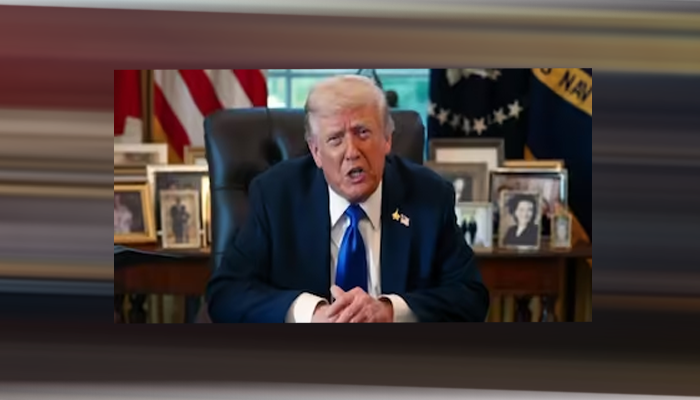
WASHINGTON: US President Donald Trump has sharply criticised Iran’s leadership after Tehran publicly denied holding any negotiations with Washington, calling Iranian officials “unbelievably duplicitous” amid ongoing tensions between the two countries.
In a post shared on his Truth Social platform, Trump claimed that Iranian officials had requested meetings with the United States and were engaged in discussions before publicly denying that any talks were taking place. According to Trump, Iran’s statements were contradictory and misleading.
“They ask for a meeting, some would say ‘beg,’ talks begin, with more scheduled in the immediate future, and then they openly claim they are not having any discussions,” Trump wrote. He also dismissed Tehran’s assertion that it was only communicating with Oman regarding diplomatic efforts.
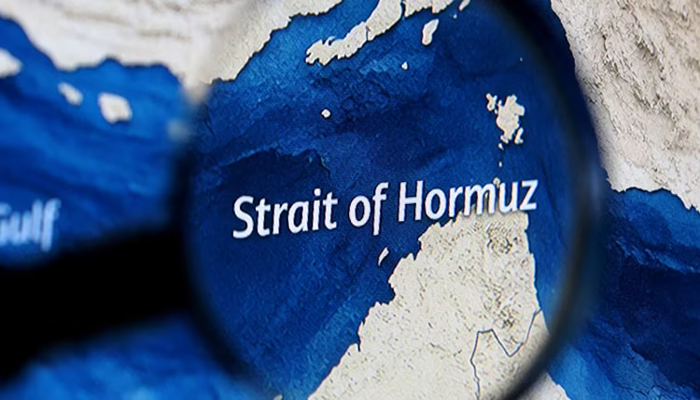
The US president further made strong remarks about the strategic Strait of Hormuz, claiming that the waterway remains under American control due to the US naval presence in the region. He stated that Iran could not freely move through the vital shipping route without Washington’s approval.
Trump asserted that “nothing gets through to Iran unless we want it to,” adding that no meaningful progress would occur unless Tehran agreed to a comprehensive deal or what he described as “total surrender.” He also maintained that the United States remains engaged in efforts to find a solution to long-standing disputes with Iran.
The latest exchange comes at a time of heightened diplomatic uncertainty in the Middle East, with conflicting statements emerging over the status of possible negotiations. Iranian officials have repeatedly denied direct talks with the United States, insisting that no formal negotiations are underway.
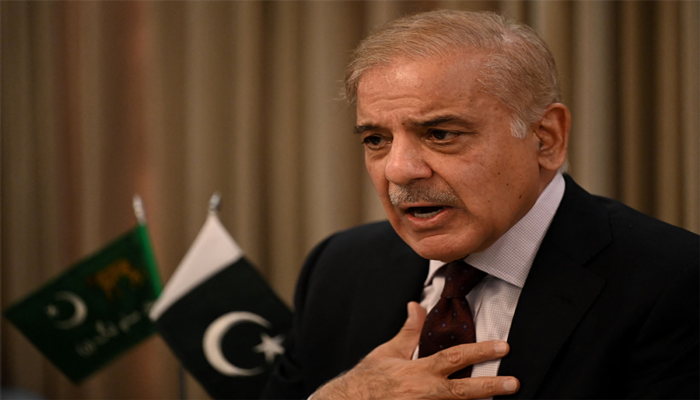
Meanwhile, regional diplomatic activity continues. Pakistan’s Deputy Prime Minister and Foreign Minister Ishaq Dar has invited Iranian Foreign Minister Abbas Araghchi to visit Pakistan at the earliest convenience, reflecting Islamabad’s continued engagement with regional partners during a period of heightened geopolitical tensions.
The developments have once again drawn international attention to US-Iran relations, which remain strained over security, sanctions, nuclear issues and regional influence. Analysts believe that despite public denials and sharp rhetoric from both sides, diplomatic channels through third-party mediators could remain active in an effort to reduce tensions.
Global markets and regional allies continue to monitor the situation closely, particularly because any escalation involving the Strait of Hormuz could have significant implications for international oil supplies and global economic stability.