US and Iranian negotiators in New York are exploring a phased agreement aimed at ending their nearly seven-month conflict, with the reopening of the Strait of Hormuz and the lifting of the US economic blockade emerging as key elements, Reuters reported.
Sources familiar with the discussions said Tehran could allow shipping through the strategically important waterway in exchange for Washington easing its economic blockade and potentially allowing Iran access to frozen assets.
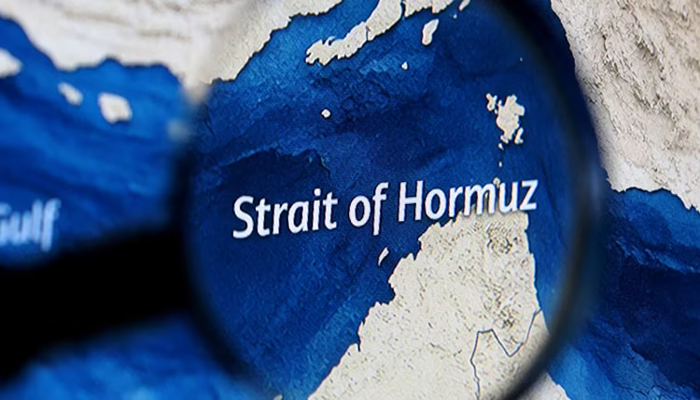
The Strait of Hormuz has become a major bargaining point in the negotiations. Iran controls access to the waterway, which is a critical route for global energy supplies, while the United States is seeking the restoration of free navigation for commercial shipping.
A senior Iranian official said a phased arrangement could provide a way out of the current diplomatic deadlock. Under the proposal, the first stage would involve ending the US blockade and reopening Hormuz.
However, negotiators face a major challenge because neither side wants to give up its leverage without receiving concrete concessions in return. The sources said both Washington and Tehran are also seeking guarantees that any agreement would be durable.
US President Donald Trump has said he believes a deal with Iran could potentially be reached after the November 3 congressional midterm elections. A senior European official said Iran has presented a lengthy list of demands.
A White House official said Trump remained open to talks with Tehran under the right circumstances, while arguing that Washington was in a strong negotiating position because of its control over the waterway and the pressure placed on Iran's economy.
Former US negotiator Dennis Ross estimated a 30% chance of an agreement before the midterm elections, while noting that both sides could have incentives to reach a settlement before the vote.
Regional sources said Iran may be prepared to remove its demand for transit fees from the main agreement and address the issue separately. Gulf states, however, have rejected the proposal.
The talks also come amid concerns over a wider conflict. Gulf leaders have urged Washington to clarify its long-term objectives while calling for de-escalation and a political solution.
Iran, meanwhile, is preparing for the possibility of renewed hostilities while continuing diplomatic efforts. A Western official familiar with the negotiations said reopening the Strait of Hormuz remains central to the discussions.
The outcome of the New York talks could have significant implications for regional stability, global shipping and energy markets, particularly if the two sides manage to convert their existing leverage into a temporary diplomatic arrangement.