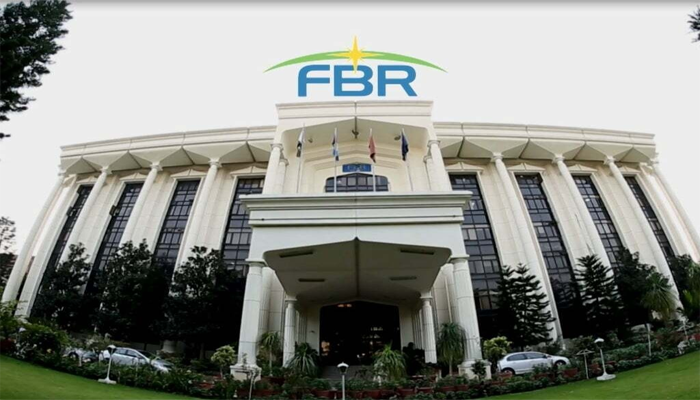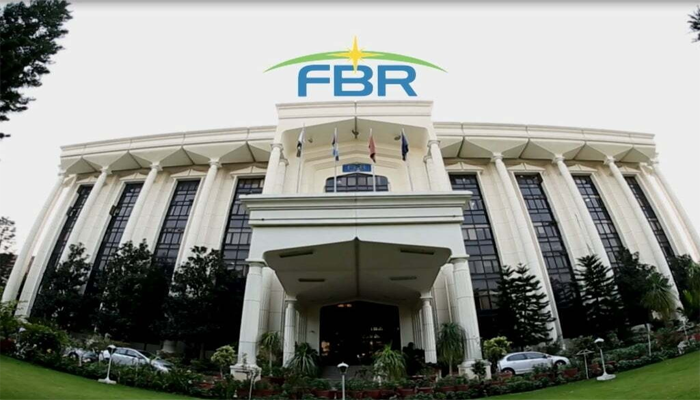


ISLAMABAD: The Federal Board of Revenue (FBR) has announced new regulations to tax non-resident social media account holders earning income from Pakistan-based users.
Under the rules, any non-resident with over 50,000 followers or subscribers in a tax year, or more than 12,250 users in a quarter, will be considered to have a significant economic presence in Pakistan. This means their earnings generated through interaction with Pakistani users will be treated as Pakistan-source income and subject to taxation.
The FBR has issued draft amendments and SRO.545(I)/2026, which outline procedures for non-residents, while local residents will follow SRO.546(I)/2026. Both sets of rules aim to bring social media earnings from platforms like YouTube, Instagram, and TikTok under the formal tax regime. The FBR has defined a “social media platform” as an internet service where users interact, share content, and generate economic value through engagement or data monetization.
For calculation purposes, the FBR has set the revenue per mille (RPM) at PKR 195, meaning for every 1,000 video views on YouTube, the income is assumed to be Rs. 195. This benchmark will be used to calculate taxable income if actual earnings are unavailable. Non-resident social media users must pay advance tax quarterly and file a special income tax return. The FBR can adjust declared income if it is less than the amount calculated using their formula.
The new taxation policy also includes users with fewer followers but higher engagement rates, such as over 50,000 video views per post or quarter. These regulations apply under Section 99C of the Income Tax Ordinance 2001, and the FBR will monitor compliance through specified procedures in rules 19M, 19N for non-residents, and rules 13ZK, 13ZL for residents.
This step by the FBR represents Pakistan’s attempt to ensure global digital content creators contributing to Pakistan’s digital economy pay taxes on income derived from local audiences. The government aims to formalize monetized social media content earnings and prevent tax evasion by non-resident influencers while applying similar rules to resident content creators.
Social media influencers earning from Pakistani viewers must now comply with registration, reporting, and advance tax obligations or risk enforcement actions under the Income Tax Ordinance 2001. These measures are expected to expand Pakistan’s tax base and regulate digital income more effectively.