
KARACHI: Advisor to the Finance Minister Khurram Schehzad said the government is fully committed to sustainable economic reforms, improved tax collection, and long-term economic growth in Pakistan. He stressed that the country’s reform agenda is aimed at strengthening fiscal stability, enhancing investor confidence, and creating a transparent taxation system aligned with fairness and inclusivity.
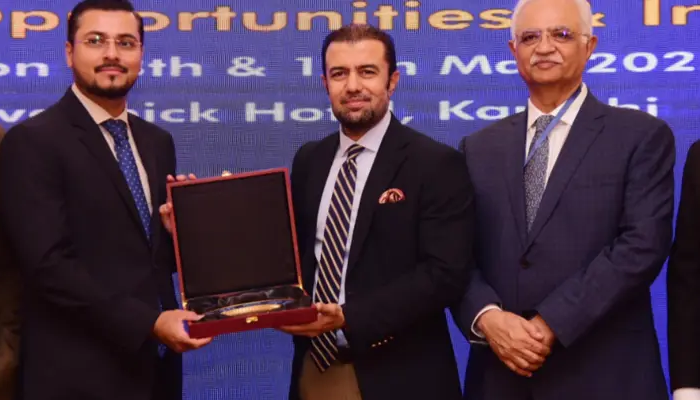
Khurram Schehzad expressed these views while addressing the opening ceremony of a two-day workshop titled “Pakistan’s Evolving Tax Landscape: Challenges, Opportunities & Innovations,” organized jointly by the PTBA Academy of Taxation and the Karachi Tax Bar Association (KTBA) in Karachi.
The finance advisor said the government is focusing on two major priorities: increasing tax revenue and ensuring tax policies remain equitable for businesses and citizens. He added that public resources should be utilized transparently under the social contract between the state and taxpayers.
Highlighting ongoing institutional reforms, Schehzad said the government has separated tax policy formulation from tax administration functions to improve efficiency and transparency. According to him, the newly structured Tax Policy Office will help strengthen policy planning and improve governance within Pakistan’s taxation framework.
He invited economists, tax professionals, and researchers to provide practical recommendations and proposals for future tax reforms. He said the government believes in collaborative policymaking to support sustainable economic development in Pakistan.
Discussing Pakistan’s economy, Schehzad stated that several sectors are showing positive signs of recovery despite global economic uncertainty and regional challenges. He said the government’s economic strategy includes macroeconomic stabilization, Digital Pakistan initiatives, energy sector reforms, tariff rationalization, privatization, pension reforms, and debt management measures.
The advisor revealed that Pakistan recorded approximately 3.8 percent economic growth during the first half of the current fiscal year. He emphasized the importance of maintaining durable and sustainable growth instead of relying on temporary recoveries followed by repeated economic crises.
Schehzad noted that improving fiscal indicators and strong primary surpluses are strengthening Pakistan’s sovereign credibility and boosting investor confidence. He also highlighted Digital Pakistan reforms, including user-friendly digital banking and financial platforms aimed at increasing financial inclusion nationwide.
Referring to the National Tariff Policy 2025-30, he said tariff reforms would improve industrial competitiveness, support exports, enhance productivity, and integrate Pakistan with global markets more effectively.
KTBA President Mehmood Bikiya and PTBA Academy Chairman Abdul Qadir Memon also addressed the workshop, emphasizing the importance of digitalization, documentation, tax base expansion, and transparency in the taxation system.
Experts believe Pakistan’s ongoing economic reforms are receiving international recognition and could help improve long-term economic stability and investment opportunities in the country.