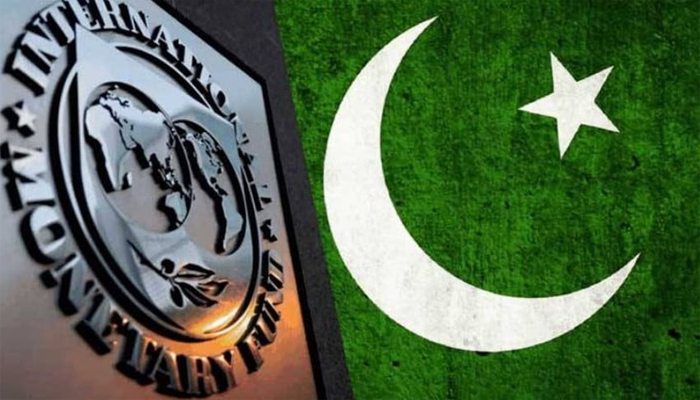
ISLAMABAD: The International Monetary Fund (IMF) has asked Pakistan to withdraw the concessional sales tax rate on electric vehicles (EVs), according to well-informed sources.
Pakistan is currently negotiating with the IMF under its ongoing loan programme, while the government is preparing a draft of the new auto policy in light of the lender’s objections.
Sources said the IMF has demanded the withdrawal of sales tax concessions currently available to electric vehicles. The global lender has reportedly argued that EVs are considered a luxury rather than a necessity for low-income consumers and, therefore, should not receive preferential tax treatment.
The proposed change could significantly increase the cost of electric vehicles in Pakistan and affect the country’s efforts to promote cleaner and more fuel-efficient transportation.
According to sources, the draft of the new auto policy, incorporating the IMF’s recommendations, will soon be presented to Prime Minister Shehbaz Sharif.
The prime minister is also expected to be briefed on the IMF’s objections to the proposed auto policy and the possible changes in taxation for electric vehicles.
Sources said the government may replace the existing concessional sales tax rate on EVs with the standard rate of 18 percent.
At present, electric vehicles are subject to a sales tax rate of around 1 percent under the concession. If the standard 18 percent rate is imposed, the tax burden on EV buyers could increase substantially.
For example, an electric vehicle valued at Rs10 million currently attracts around Rs100,000 in sales tax at a 1 percent rate. Under an 18 percent sales tax, the tax payable on the same vehicle would increase to Rs1.8 million.
This would represent an additional tax burden of Rs1.7 million on a vehicle worth Rs10 million.
The IMF has also reportedly proposed ending the tax concession available to electric vehicle charging stations.
According to sources, the sales tax on EV charging stations could also increase from 1 percent to 18 percent if the government accepts the IMF’s recommendation.
The proposed changes are being considered as part of the new auto policy, which is being finalised amid discussions between Pakistan and the IMF.
The auto policy is expected to outline the government’s approach towards investment, local manufacturing, vehicle taxation and the development of the electric vehicle sector.
The possible withdrawal of EV tax incentives could have a significant impact on the prices of electric vehicles and charging infrastructure in Pakistan. It may also influence consumer demand and investment decisions in the emerging EV market.
The final decision, however, will depend on consultations between the Pakistani authorities and the IMF. The government is expected to review the lender’s objections before approving the new auto policy.
If implemented, the proposed tax changes would mark a major shift in Pakistan’s current incentive structure for electric vehicles.