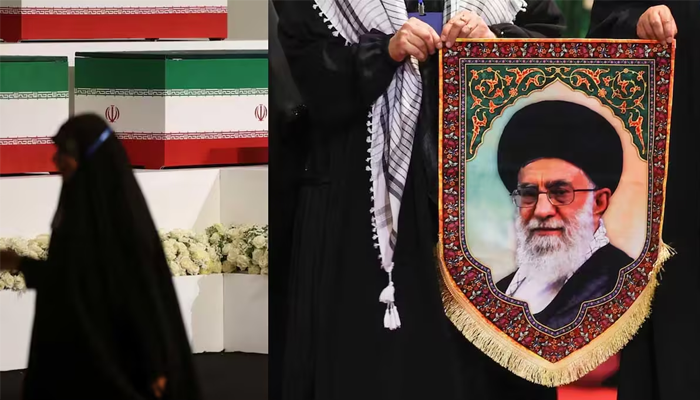
TEHRAN: Iran has begun a week of national mourning as funeral processions for Ayatollah Sayyed Ali Hosseini Khamenei commenced across Tehran, Qom, and Mashhad. The ceremonies, which started on July 3, 2026, have drawn thousands of mourners, senior Iranian officials, and international delegations paying tribute to the late Supreme Leader.
The main funeral ceremony was held at Tehran’s Grand Mosalla, where leaders of Iran’s executive, legislative, and judicial branches gathered alongside foreign dignitaries, religious scholars, parliamentarians, and representatives from several countries. Families of resistance martyrs, religious minorities, and Arab tribal leaders also participated in the solemn event.
Ayatollah Khamenei, Iran’s second Supreme Leader, guided the Islamic Republic for 37 years, making him one of the most influential political and religious figures in the modern Middle East. His leadership shaped Iran’s domestic governance, regional policies, and international relations for nearly four decades.
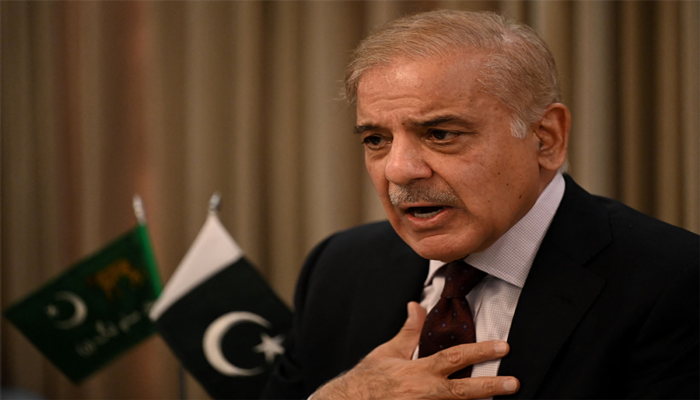
Pakistan was represented by a high-level delegation led by Prime Minister Shehbaz Sharif. The delegation included Deputy Prime Minister and Foreign Minister Senator Mohammad Ishaq Dar, Chief of Army Staff and Chief of Defence Forces Field Marshal Syed Asim Munir, Interior Minister Syed Mohsin Naqvi, Information Minister Attaullah Tarar, Chairman Pakistan Peoples Party Bilawal Bhutto Zardari, and other senior officials.
During the ceremony, Prime Minister Shehbaz Sharif paid tribute to the late Iranian leader, praising his decades of leadership, wisdom, and contributions to the Muslim world. He expressed Pakistan’s solidarity with Iran’s new Supreme Leader, Ayatollah Seyyed Mojtaba Hosseini Khamenei, President Dr. Masoud Pezeshkian, and the Iranian people during their period of national mourning. The Prime Minister also offered prayers for the departed leader before departing Tehran for an official visit to Istanbul, Turkiye.
A separate parliamentary delegation led by Senate Chairman Syed Yousaf Raza Gillani and National Assembly Speaker Sardar Ayaz Sadiq, along with Sindh Chief Minister Syed Murad Ali Shah, also attended the funeral proceedings.
Born in Mashhad in 1939, Ayatollah Khamenei joined the movement against the Shah at an early age, enduring imprisonment and exile before the 1979 Islamic Revolution. He served as Iran’s president from 1981 to 1989 before succeeding Ayatollah Ruhollah Khomeini as Supreme Leader.
Throughout his tenure, he maintained significant influence over Iran’s judiciary, armed forces, Revolutionary Guard, nuclear policy, and foreign affairs, leaving behind a lasting political and religious legacy that will continue to shape the Islamic Republic.