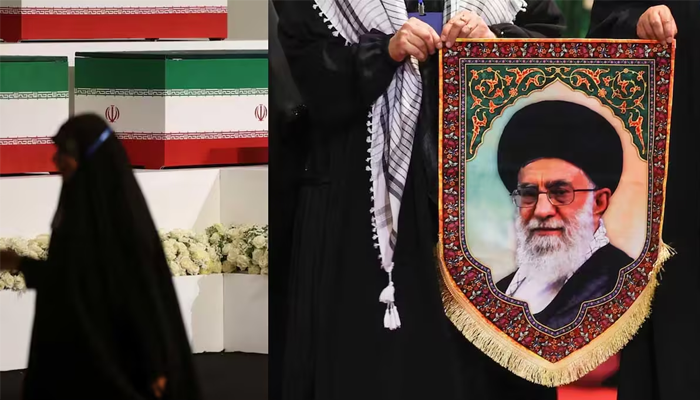
TEHRAN: Iran began a week-long series of state funeral ceremonies on Friday for its slain Supreme Leader, Ayatollah Ali Khamenei, as thousands of mourners, foreign dignitaries, and senior officials gathered in Tehran to pay their final respects.
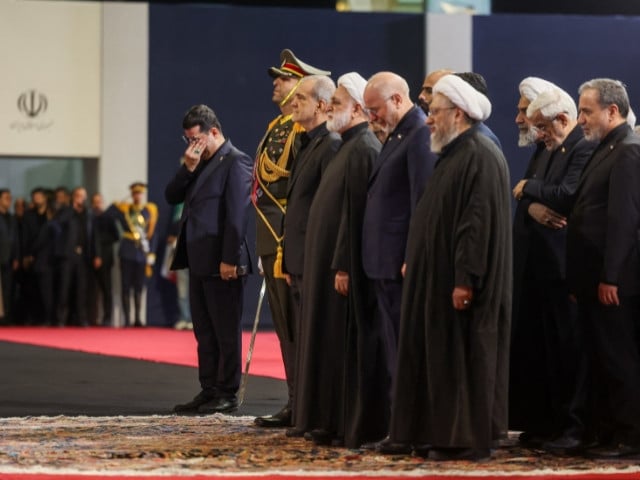
The funeral comes months after Khamenei was killed in US and Israeli airstrikes during a four-month conflict that dramatically reshaped regional politics.
Khamenei’s body was placed in state at a grand prayer hall in Tehran, where emotional crowds chanted religious slogans and mourned the leader who ruled Iran for 37 years. His coffin, draped in symbolic religious and national imagery, was displayed alongside the coffins of several family members who were also killed in the strike.
Iranian authorities have organized a week of funeral events across the country. After ceremonies in Tehran, Khamenei’s remains are expected to travel to the holy city of Qom before continuing to the revered Shiite shrines of Najaf and Karbala in Iraq. His final burial is scheduled in Mashhad, home to the Imam Reza shrine, one of Iran’s holiest religious sites.
The funeral is taking place during a sensitive period for the Islamic Republic. While officials have projected an image of national unity following the conflict with the United States and Israel, analysts believe the country continues to face serious political and economic challenges. Years of international sanctions, economic hardship, and widespread public protests have strained public confidence in the government.
Security across Tehran has been significantly strengthened, with police, military forces, and members of the Basij paramilitary organization deployed throughout the capital. Iranian authorities have also warned the United States and Israel against any military action during the funeral ceremonies.
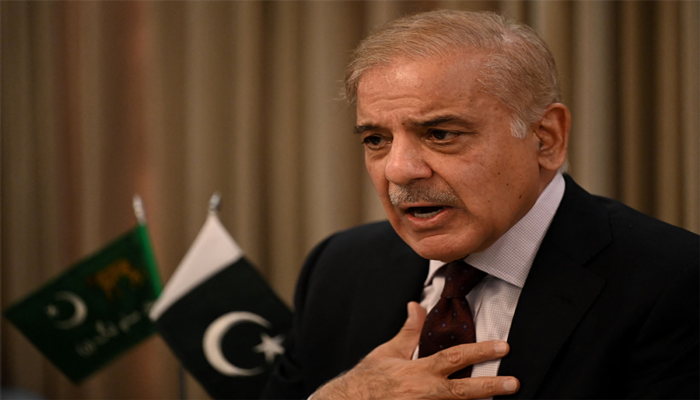
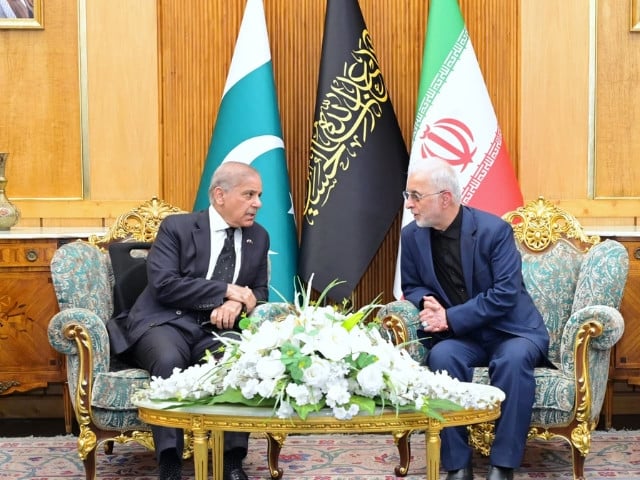
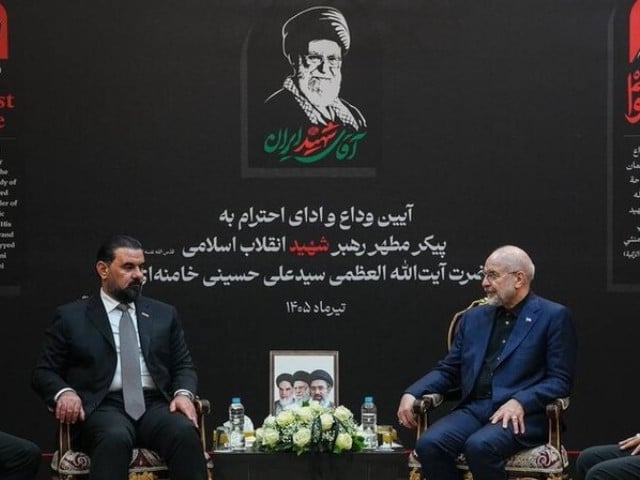
Several regional and international leaders attended the event, including Iraqi President Abdul Latif Rashid, Armenian Prime Minister Nikol Pashinyan, and senior officials from Pakistan. Prime Minister Shehbaz Sharif arrived in Tehran with a high-level delegation that included Deputy Prime Minister Ishaq Dar, National Assembly Speaker Ayaz Sadiq, PPP Chairman Bilawal Bhutto Zardari, and Sindh Chief Minister Murad Ali Shah. Pakistan’s Chief of Army Staff and Chief of Defence Forces, Field Marshal Syed Asim Munir, also attended the funeral prayers.
Iranian President Masoud Pezeshkian held meetings with visiting leaders from Tajikistan, Armenia, Turkmenistan, and Iraq on the sidelines of the funeral ceremonies, emphasizing continued regional cooperation despite recent tensions.
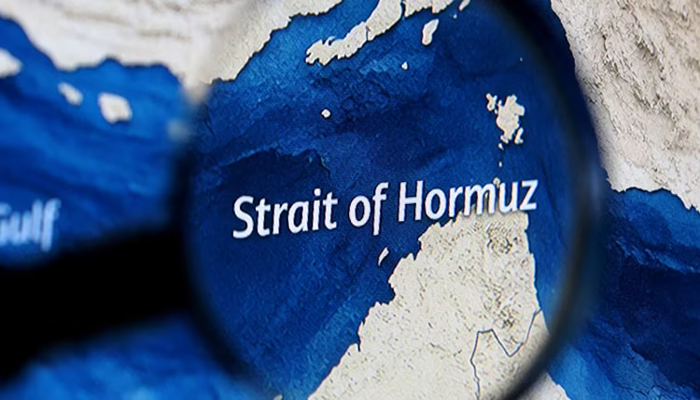
Meanwhile, Iranian Parliament Speaker Mohammad Bagher Ghalibaf warned that Tehran would resume military action if the United States and Israel failed to honor commitments made under the recently agreed ceasefire and memorandum of understanding. He insisted that the Strait of Hormuz should remain under the management of Iran and Oman without outside interference.
Iran’s acting defence minister also stated that Tehran remains cautious despite ongoing diplomatic engagement with Washington, saying Iran does not trust the United States due to what he described as a history of broken commitments. He emphasized that Iranian armed forces remain on full alert and are prepared to respond to any violation of the agreement.
On the diplomatic front, US President Donald Trump said negotiations with Iran were progressing positively, claiming Tehran had agreed to nearly all of Washington’s key demands regarding its nuclear program. Former US negotiators have urged both sides to accelerate talks once the funeral ceremonies conclude, arguing that sustained diplomacy is essential to maintaining regional stability.
The funeral ceremonies are expected to continue throughout the week, drawing millions of mourners while serving as a significant political and religious event for Iran and its allies across the Middle East.