
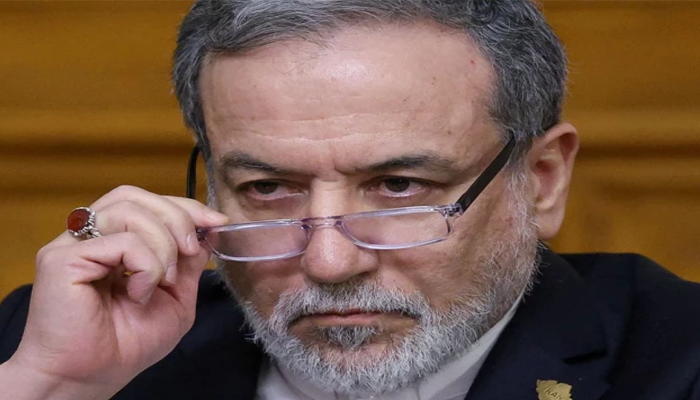
TELAVIV: Iran’s Foreign Minister Abbas Araghchi has indicated that the country’s opposition to developing nuclear weapons is unlikely to shift significantly, even after the reported assassination of senior figure Ali Larijani. Speaking to Al Jazeera, Araghchi noted that Iran’s nuclear doctrine depends on religious rulings, and it remains unclear how the new supreme leader, Mojtaba Khamenei, will approach the issue, as he has not yet publicly outlined his stance.
Araghchi also emphasized that once the ongoing conflict ends, Gulf nations should collaborate on a new framework governing the Strait of Hormuz to ensure secure maritime passage aligned with regional priorities. Iran has already restricted traffic through the strait, a crucial route for global energy supplies, declaring it will block النفط shipments to the US, Israel, and their allies.
Meanwhile, the United States is attempting to organize a naval coalition to safeguard shipping in the area, though several NATO members have shown reluctance to engage militarily. France has stated it would only consider participating in such a mission after a ceasefire and discussions with Tehran.
Regarding the conflict, Araghchi said peace would only be possible if hostilities fully cease across the region and Iran is compensated for war damages. Addressing criticism over Iranian strikes affecting civilian areas, he argued that US forces had positioned themselves near populated zones, making collateral damage difficult to avoid.
Separately, Iran launched missile strikes on Tel Aviv, reportedly using cluster munitions in retaliation for Larijani’s killing, according to state media.