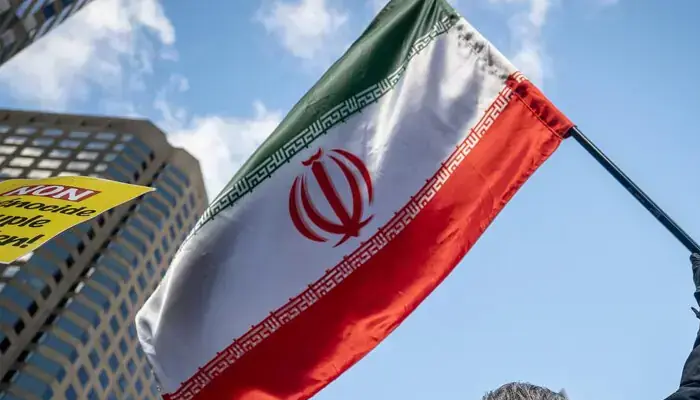

WASHINGTON: US Secretary of State Marco Rubio has announced that Washington’s military campaign against Iran, known as “Operation Epic Fury,” has officially ended, signaling a shift in US policy from offensive military action to a defensive posture in the Middle East.
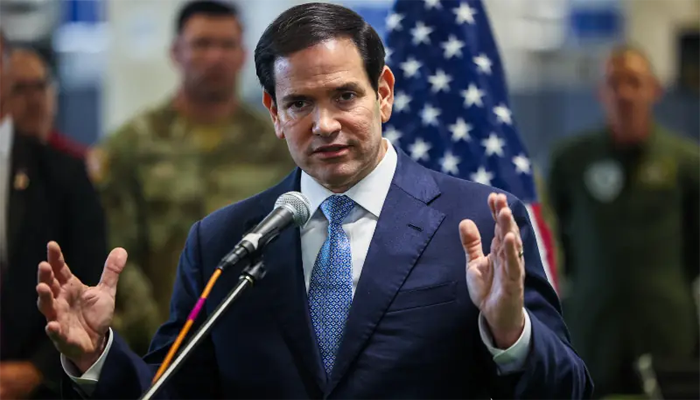
Speaking during a House Foreign Affairs Committee hearing, Rubio told lawmakers that the United States was no longer conducting sustained military strikes inside Iran. He emphasized that Operation Epic Fury had achieved its objectives and that any future American military response would be focused solely on defense.
The announcement comes amid ongoing concerns over regional security, the presence of US troops in the Middle East, and the continued closure of the Strait of Hormuz, one of the world's most critical oil shipping routes. The waterway is essential for global energy supplies, making developments in the Gulf region closely watched by international markets.
Rubio described the operation as a major success, claiming that US and allied actions significantly weakened Iran’s military infrastructure. According to him, the campaign severely damaged Iran’s defense industrial base, reduced its missile launch capabilities, cut drone stockpiles, and eliminated much of its conventional air and naval power.
“We’re no longer conducting sustained strikes inside of Iran because Epic Fury is over,” Rubio told lawmakers, adding that the mission successfully achieved its strategic goals.
However, Democratic Representative Sara Jacobs challenged the administration’s claims, arguing that the situation on the ground suggested the conflict's consequences were far from over. She pointed out that the Strait of Hormuz remains closed and that thousands of American service members continue to face potential threats across the region.
Jacobs also cited intelligence assessments suggesting that Iran is rebuilding parts of its military industrial base faster than expected and may still possess a significant portion of its missile arsenal and mobile launchers.
The exchange highlighted growing political divisions in Washington over the outcome of the US-Iran conflict. While the administration maintains that Operation Epic Fury was a victory that restored regional security, critics argue that Gulf tensions, military risks, and geopolitical uncertainty remain high.
Rubio further clarified that regime change in Tehran was never the objective of the mission. Instead, he said the primary goal was to reduce Iran’s ability to threaten neighboring countries through missiles, drones, and a potential nuclear weapons program.
The debate reflects broader concerns about Middle East stability, US foreign policy, and the future of diplomatic efforts aimed at preventing further escalation between Washington and Tehran.