
WASHINGTON: Iran and the United States have confirmed that nuclear negotiations will take place in Oman later this week, despite heightened tensions and strong warnings from US President Donald Trump directed at Iran’s supreme leadership.
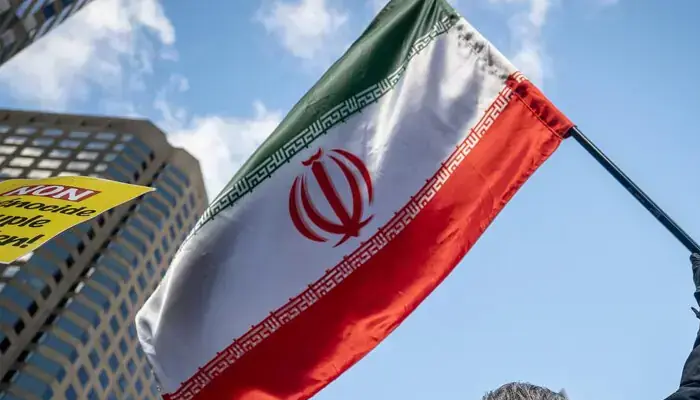
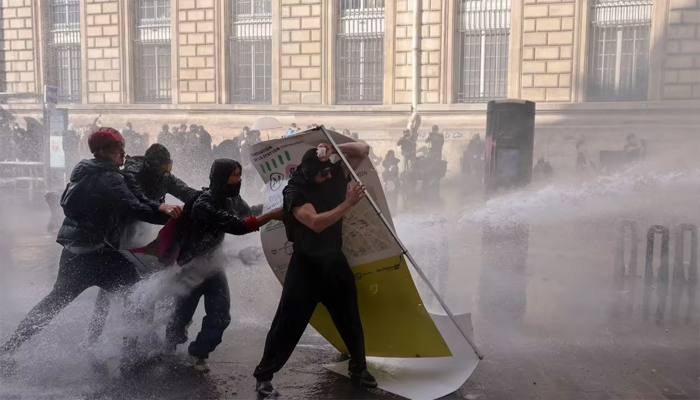
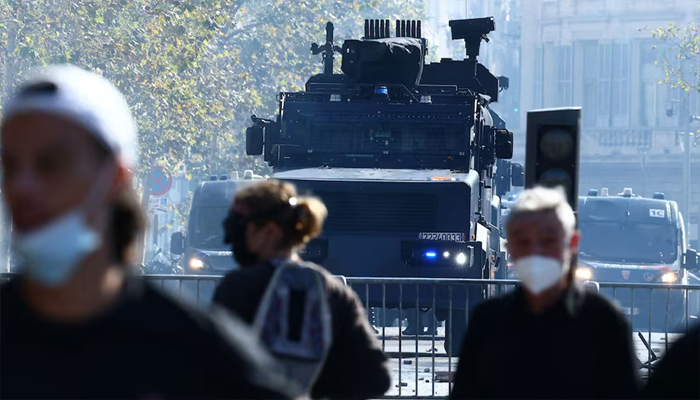
Both sides announced on Wednesday that the talks were back on track, easing earlier speculation that negotiations between the long-standing rivals were at risk of collapse due to disagreements over the meeting’s format and venue. The uncertainty had fueled fears of renewed US military action, particularly amid escalating tensions following Iran’s forceful crackdown on major anti-government protests.
Iranian Foreign Minister Abbas Araghchi said the talks are now scheduled for Friday in Muscat, expressing appreciation to Oman for facilitating the arrangements. A White House official also confirmed the meeting to AFP, verifying that the discussions would proceed as planned.
Earlier reports had suggested that the talks might be held in Turkey, but US media indicated Washington was close to withdrawing after differences emerged over the location and whether Iran’s ballistic missile program should be included in the agenda.
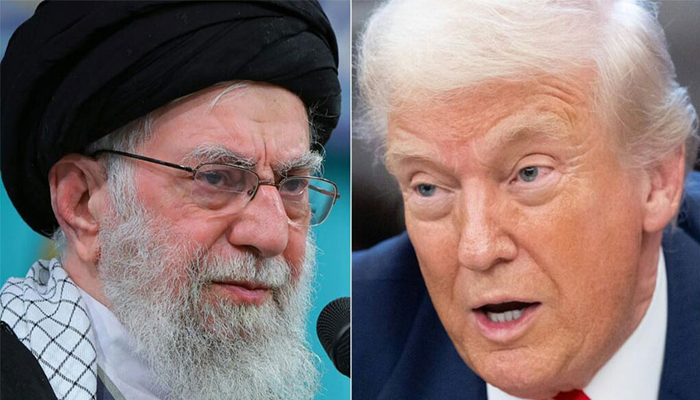
Meanwhile, President Trump continued to intensify pressure on Tehran, warning Supreme Leader Ayatollah Ali Khamenei that he should be “very worried.” In an interview with NBC News, Trump claimed that Iran had considered developing a new nuclear facility following US strikes on Iranian nuclear sites during Israel’s June conflict with Iran. He warned that any such move would trigger a severe response from the United States.
The US has significantly reinforced its military presence in the region, including the deployment of an aircraft carrier group. Earlier this week, a US aircraft reportedly shot down an Iranian drone, while Tehran has warned it would retaliate against US targets if attacked.
US Secretary of State Marco Rubio reiterated Washington’s readiness to engage in talks but stressed that any meaningful dialogue must include Iran’s nuclear program, ballistic missile capabilities, regional activities, and human rights record. He said US envoy Steve Witkoff had been prepared to meet Iranian officials but received mixed signals about Tehran’s agreement.
Iran has consistently rejected negotiations on its missile program, describing it as a legitimate means of self-defense. However, the country faces increasing pressure following widespread protests and regional setbacks, including Israel’s actions against Hezbollah and the removal of Syrian President Bashar al-Assad.