TEHRAN: Iran has issued a strong warning to the United States and Israel against launching any new military action, saying any attack would trigger an immediate and severe response from its armed forces.
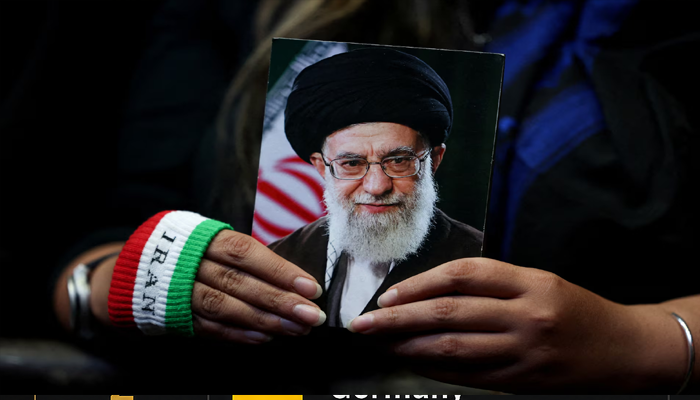
The warning comes as the country prepares for the state funeral of former Supreme Leader Ayatollah Ali Khamenei, who Iranian authorities say was killed in airstrikes during the opening phase of the recent conflict.
Ali Abdollahi, commander of Iran's Khatam al-Anbiya Central Headquarters, said Tehran would respond decisively to any threat against its sovereignty. Similar remarks were made by Foreign Minister Abbas Araghchi after Israeli officials reportedly issued fresh threats against Iran's leadership.
Funeral processions for Ayatollah Khamenei are scheduled to begin in Tehran on July 4 and conclude with his burial in Mashhad on July 9. Additional ceremonies are expected in Qom and Iraq, while Iranian authorities have announced heightened security measures and temporary airspace restrictions over several major cities.
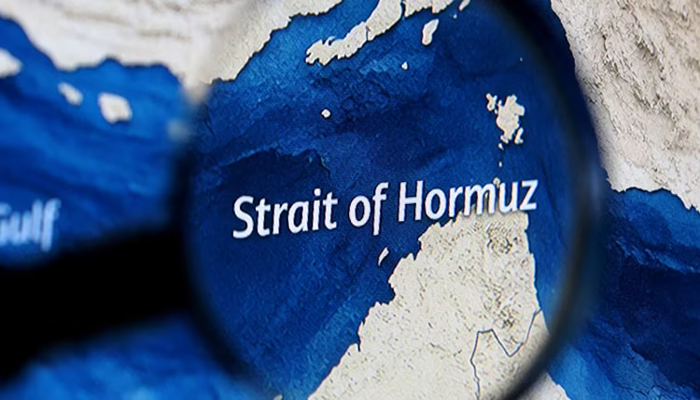
At the same time, Iran has intensified its warnings over the Strait of Hormuz, one of the world's most important maritime trade routes. Military officials declared that all commercial and oil tankers must follow navigation routes designated by Tehran, warning that any unauthorized movement or foreign military interference would face a "decisive and swift response." Iran described the waterway as part of its sovereign territory and stressed that maintaining security there remains a national red line.
The Strait of Hormuz carries nearly one-fifth of the world's oil and liquefied natural gas shipments, making any disruption a major concern for global energy markets. Although shipping has partially resumed following the recent conflict, uncertainty remains over future navigation and regional stability.
Meanwhile, indirect negotiations between the United States and Iran concluded in Doha with mediation by Qatar and Pakistan. According to officials, the talks focused primarily on maritime security in the Strait of Hormuz and the implementation of earlier understandings reached after the ceasefire. Both sides described the discussions as constructive but stopped short of announcing any breakthrough on broader issues.
US President Donald Trump said progress had been made regarding Iran's nuclear programme, although sources familiar with the talks indicated that nuclear matters were not the main focus during the latest meetings. Iranian officials maintained that future negotiations would continue after the funeral ceremonies conclude.
Iran has also lodged a formal complaint with the United Nations, accusing Israel of promoting "state terrorism" through alleged assassination threats against the country's leadership. Tehran urged the UN Security Council to take action and warned that any future aggression would receive a firm military response.
With regional tensions still high, diplomats continue to push for dialogue to prevent another military escalation. However, ongoing disputes over maritime security, sanctions, and Iran's nuclear programme suggest that stability in the Middle East remains fragile. Global markets are closely monitoring developments, particularly around the Strait of Hormuz, where any renewed confrontation could significantly affect international energy supplies and shipping routes.