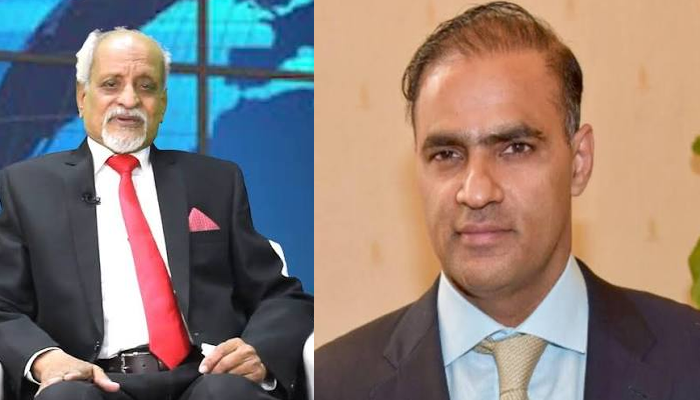


KARACHI: Federal Health Minister Mustafa Kamal has linked the increasing number of HIV infections in Pakistan to risky behavior associated with late-night party culture, urging families to play a more active role in protecting young people from the spread of the virus.
Speaking during a meeting of the Senate Standing Committee on National Health Services, Kamal said recent investigations showed that many newly reported HIV cases, particularly in Islamabad, were connected to unsafe sexual practices and drug use at late-night gatherings rather than contaminated syringes alone.
The minister stressed that while unsafe medical practices remain a serious concern in some parts of the country, public awareness about HIV transmission must also address behavioral risk factors. He urged parents to remain vigilant about their children's activities and called for open discussions on health and safety to help prevent further infections.
Kamal said HIV is no longer limited to traditional high-risk groups and warned that changing social trends require stronger public education campaigns. He emphasized the importance of early testing, timely treatment, and responsible behavior to reduce the spread of the virus.
The minister's remarks come amid growing concern over recent HIV outbreaks, including the infection of dozens of children linked to Karachi's Valika Hospital. Authorities have attributed that outbreak to alleged medical negligence involving the reuse of contaminated syringes, while investigations into the incident remain ongoing.
Health experts have consistently maintained that HIV spreads through unprotected sexual contact, sharing contaminated needles or syringes, transfusion of infected blood, and from mother to child during pregnancy, childbirth, or breastfeeding. They also stress that HIV cannot be transmitted through casual contact such as handshakes, sharing food, or living in the same household.
Mustafa Kamal reiterated the government's commitment to strengthening HIV prevention programmes, expanding testing facilities, and improving public awareness. He called on educational institutions, healthcare providers, and families to work together to reduce stigma surrounding HIV and encourage people at risk to seek testing and treatment without fear of discrimination.