

ISLAMABAD: The federal cabinet of Pakistan has approved a new national policy aimed at boosting local vaccine manufacturing and reducing the country’s dependence on imported vaccines. The decision is being seen as a major step toward achieving self-sufficiency in Pakistan’s healthcare and immunisation sector.
The cabinet meeting, chaired by Prime Minister Shehbaz Sharif, emphasized that the policy would help save foreign exchange reserves, lower the vaccine import bill, and strengthen the country’s healthcare infrastructure. Officials said Pakistan plans to gradually shift toward local vaccine production before international financial support for vaccine procurement ends by 2030-31.
According to the Prime Minister’s Office, a special committee under the supervision of the Drug Regulatory Authority of Pakistan will be established to oversee vaccine pricing and ensure international quality standards.
Currently, Pakistan receives vaccines at subsidized rates through global organizations including World Health Organization, UNICEF, Gavi, and the Bill & Melinda Gates Foundation.
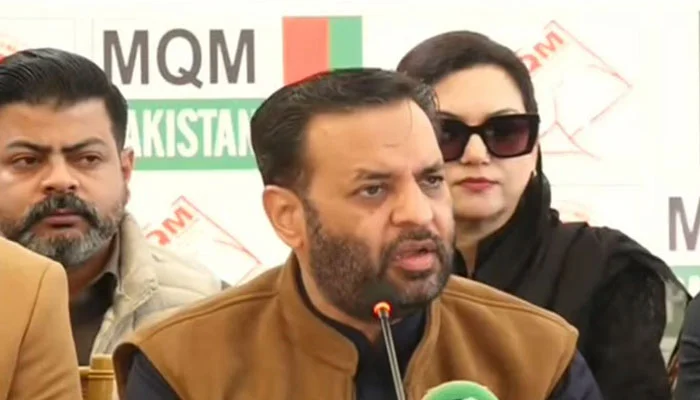
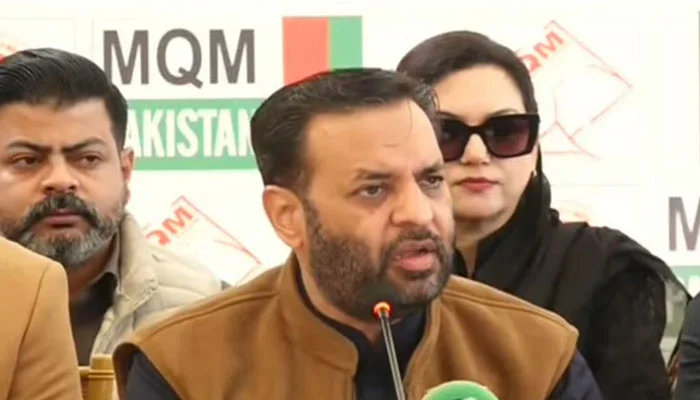
Federal Health Minister Syed Mustafa Kamal recently stated that Pakistan currently covers around 51 percent of annual vaccine procurement costs, estimated between $400 million and $500 million, while international partners contribute the remaining 49 percent. However, global funding support is expected to decline gradually over the coming years.
Health experts and pharmaceutical industry representatives welcomed the policy but stressed that its success would depend on government guarantees to purchase vaccines from local manufacturers. Former Pakistan Pharmaceutical Manufacturers Association chairman Dr Kaiser Waheed said consistent government support would encourage investment in domestic vaccine production.
Officials also confirmed that Pakistan is expanding cooperation with countries such as Saudi Arabia and Indonesia to establish modern vaccine manufacturing facilities.
Experts believe the new vaccine policy could help Pakistan avoid future healthcare crises, strengthen immunisation programs, and improve access to life-saving vaccines for children and adults across the country.