
ISLAMABAD: Pakistan and the International Monetary Fund (IMF) have reached a staff-level agreement that could unlock a $1.2 billion disbursement, subject to approval by the IMF Executive Board.
The deal covers the second review under the 37-month Extended Fund Facility (EFF) and the first review of the 28-month Resilience and Sustainability Facility (RSF). If approved, Pakistan will receive $1 billion under the EFF and $200 million under the RSF, bringing total disbursements under both programs to $3.3 billion.
The IMF highlighted that Pakistan’s economy is showing signs of stabilization. The FY25 current account recorded a surplus for the first time in 14 years, inflation is contained, and financial conditions have improved. However, the devastating floods affecting nearly 7 million people have dampened the agricultural outlook and brought down GDP projections for FY26 to around 3.3–3.5%.
The IMF emphasized the urgent need for climate resilience, praising ongoing reforms under the RSF, including green mobility and disaster risk financing. The Pakistani authorities reiterated their commitment to maintaining prudent macroeconomic policies and meeting the FY26 primary budget surplus target of 1.6% of GDP through enhanced tax efforts.
Efforts to improve tax policy, broaden provincial-federal revenue collaboration, and upgrade the business environment are ongoing. The IMF also noted progress in energy sector reforms, including privatization of inefficient generation companies and the transition to a competitive electricity market.
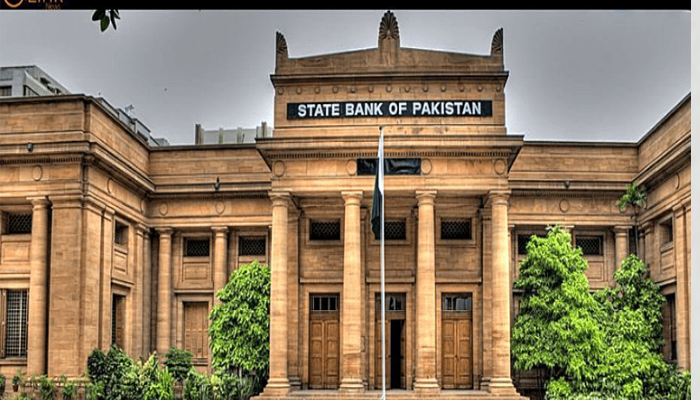
The State Bank of Pakistan (SBP) remains committed to a cautious monetary stance, prepared to adjust policy if inflationary pressures resurface.
Structural reforms, especially in state-owned enterprises and agriculture, remain central to supporting sustainable growth and food security.
The IMF concluded by expressing sympathy for flood victims and commending Pakistan’s reform efforts and hospitality during the recent discussions in Karachi, Islamabad, and Washington.