
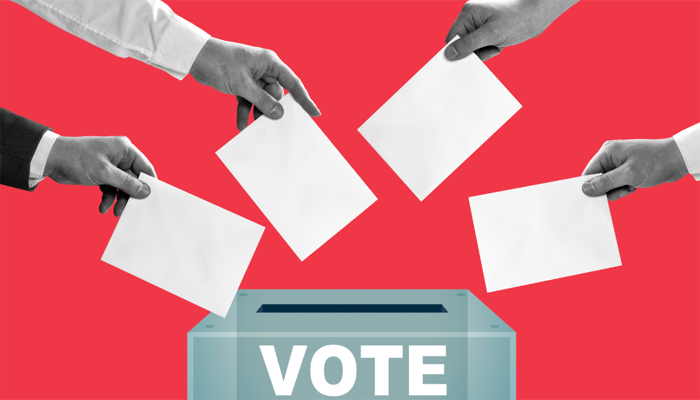
Gilgit-Baltistan Election 2026 has emerged as one of the most closely watched political contests in Pakistan, with voters casting ballots across 24 general constituencies to elect members of the Gilgit-Baltistan Assembly. A total of 403 candidates are in the race, representing major national parties, regional political groups, and independent platforms.
The GB Election 2026 is shaping up as a three-way contest among the Pakistan Peoples Party (PPP), Pakistan Muslim League-Nawaz (PML-N), and PTI-backed independent candidates. Regional parties, including Majlis Wahdat-e-Muslimeen (MWM) and Balawaristan National Front (BNF-Naji), are also expected to influence results in several constituencies.
The Gilgit-Baltistan Assembly consists of 33 seats, including 24 directly elected general seats, six reserved seats for women, and three technocrat seats. A party requires at least 17 seats to secure a simple majority and form the regional government.
Several constituencies have become major political battlegrounds. In GBA-1 Gilgit-I, PPP regional president Amjad Hussain Azar is facing strong competition from PML-N-backed candidates and independent contenders. The constituency is considered crucial for determining the political balance in Gilgit division.
In GBA-2 Gilgit-II, former Chief Minister Hafiz Hafeezur Rehman of PML-N is seeking to retain his influence by highlighting development projects carried out during his tenure. The seat remains one of the most significant contests in the election.
Baltistan division is also witnessing intense competition. GBA-7 Skardu-I features veteran PPP leader and former chief minister Syed Mehdi Shah, while GBA-8 Skardu-II has drawn attention due to the participation of former GB Assembly Speaker Syed Amjad Ali Zaidi, contesting as an influential independent candidate.
In Ghizer-II (GBA-20), nationalist leader Nawaz Khan Naji remains a dominant political figure with strong grassroots support. Meanwhile, constituencies in Diamer, Astore, and Ghanche are expected to be heavily influenced by tribal alliances, religious leadership, and local community endorsements.
Political analysts believe the Gilgit-Baltistan Election 2026 will play a crucial role in shaping the region’s future governance and could significantly impact the broader political landscape of Pakistan.