
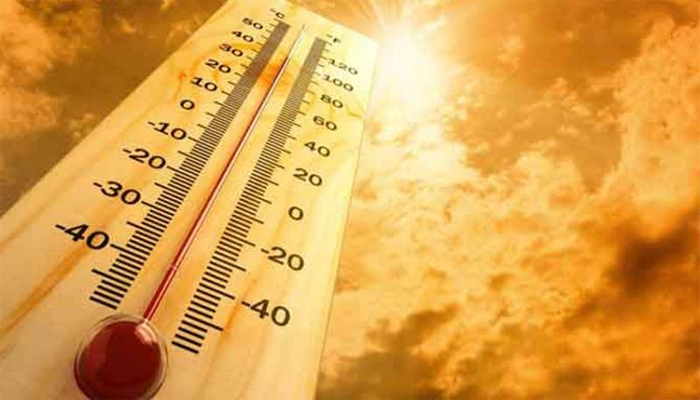
KARACHI: Pakistan is set to experience an intense heatwave over the coming days as the Pakistan Meteorological Department (PMD) has issued a nationwide weather advisory warning of significantly above-normal temperatures from June 7 to June 12, 2026. The Heatwave Pakistan alert covers major cities and districts across Punjab, Sindh, Khyber Pakhtunkhwa, Islamabad, Gilgit-Baltistan, and Azad Jammu and Kashmir.
According to the PMD Weather Update, several districts in Khyber Pakhtunkhwa, including Peshawar, Mardan, Bannu, Karak, Lakki Marwat, and Dera Ismail Khan, are expected to record temperatures between 41°C and 46°C from June 8 to June 11. Northern areas such as Chitral, Dir, Swat, and parts of Gilgit-Baltistan may experience temperatures ranging from 37°C to 40°C.
The Pakistan Weather forecast indicates that Islamabad, Rawalpindi, Attock, Chakwal, Jhelum, Gujrat, Mirpur, Bhimber, Kotli, Bagh, and Muzaffarabad are likely to witness maximum temperatures between 41°C and 44°C during the heatwave period.
Punjab is expected to face some of the harshest conditions. Cities including Lahore, Faisalabad, Multan, Bahawalpur, Sargodha, Dera Ghazi Khan, Rahim Yar Khan, Jhang, and Sahiwal may record temperatures ranging from 44°C to 48°C. The Lahore Weather forecast suggests prolonged hot and dry conditions with increased discomfort during daytime hours.
Sindh and parts of Balochistan are likely to remain the hottest regions in the country. Sukkur, Jacobabad, Larkana, Dadu, Ghotki, Khairpur, Sibi, Turbat, and Panjgur could experience temperatures between 48°C and 51°C. Meanwhile, Karachi Weather is expected to remain extremely hot, with temperatures forecast between 40°C and 43°C from June 8 to June 12.
The PMD Alert also warns of dust storms in southern Punjab and Sindh due to extreme heat and dry weather conditions. Night temperatures are expected to remain above normal, adding to the intensity of the heatwave.
The meteorological department has advised the public, especially children, women, senior citizens, and outdoor workers, to avoid unnecessary exposure to direct sunlight between 10am and 4pm. Farmers have also been urged to take precautionary measures to protect crops and livestock.
The PMD further forecasts below-normal rainfall and above-normal temperatures during the June-August period, raising concerns about water shortages, increased electricity demand, and the potential impact of climate change on Pakistan’s weather patterns.