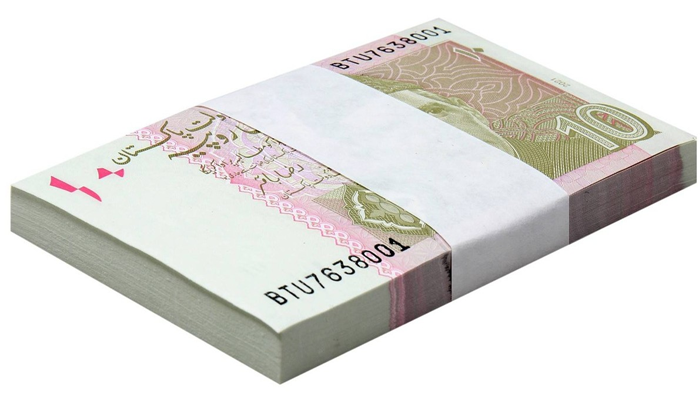
ISLAMABAD:Pakistan’s inflation rate eased to 6.1 per cent in November, according to fresh data released by the Pakistan Bureau of Statistics (PBS) on Monday. The slight decline follows a sharp rise last month and keeps inflation within the finance ministry’s projected range, offering cautious optimism for households and businesses watching price trends closely.
In October, inflation measured through the Consumer Price Index (CPI) jumped to 6.24 per cent, driven mainly by higher food and energy prices, compared to 5.6 per cent in September. The November report shows general inflation rising 6.1 per cent year-on-year (YoY), just below October’s reading. On a month-on-month (MoM) basis, inflation stood at 0.4 per cent, a notable slowdown from the 1.8 per cent jump recorded in October.
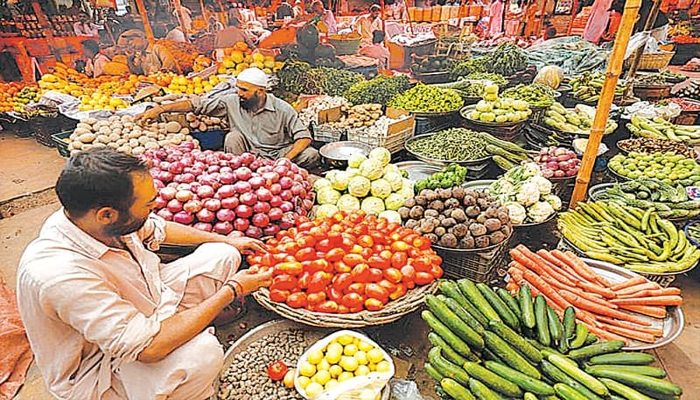
The Sensitive Price Index (SPI), which tracks essential commodities, also reflected a cooling trend. According to PBS, SPI inflation rose 4.2 per cent YoY in November 2025, down from 4.8 per cent in October and significantly lower than the 7.3 per cent increase recorded in November 2024. MoM SPI inflation increased by 0.4 per cent, compared to 0.9 per cent a month earlier.
Despite the improvement, experts note that inflation volatility persists due to temporary supply shocks and lingering effects of earlier flood damage, which continue to keep food prices unstable. However, inflation has dropped dramatically from nearly 30 per cent a year ago, showing a steady recovery in economic stability.
The finance ministry recently stated that inflation was likely to remain in the 5–6 per cent band for November, supported by better crop arrivals, stable supply conditions and easing fuel costs. This aligns with the broader economic outlook shared by analysts monitoring Pakistan’s inflation trends.
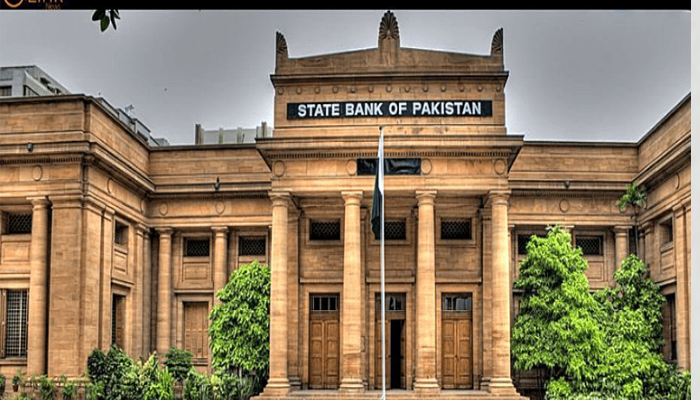
The latest inflation reading also comes after the State Bank of Pakistan (SBP) decided to maintain its key policy rate at 11 per cent. The central bank expects inflation to stay above the targeted 5–7 per cent range for a few more months before gradually easing in the next fiscal year.