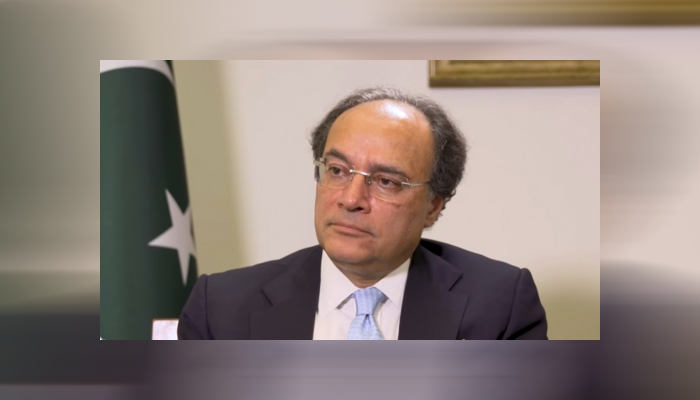
ISLAMABAD: Russia and Pakistan are moving closer to expanding their economic partnership as discussions continue on a potential oil-sector agreement, signaling a deepening of energy and industrial cooperation between the two countries. Pakistan’s Finance Minister Muhammad Aurangzeb confirmed that talks are underway, highlighting Russia’s strengths in the energy sector and Islamabad’s growing interest in long-term collaboration.
In remarks published on Tuesday by Russia’s RIA news agency, Aurangzeb said Pakistan would welcome an agreement with Russia covering key areas such as oil and gas exploration, production, and refining. He noted that discussions are currently being handled by the energy ministries of both countries, indicating that talks have reached an official and structured level.
Russia has emerged as an important energy partner for Pakistan in recent years, especially after Moscow began redirecting its oil exports toward Asian markets following Western sanctions imposed over the Ukraine conflict. Pakistan, which faces chronic energy shortages and rising fuel import costs, has been seeking alternative suppliers to stabilize its energy supply and reduce pressure on foreign exchange reserves. As part of this shift, Pakistan started importing Russian crude oil in 2023, marking a significant change in its traditional energy procurement strategy.
Beyond crude oil supplies, cooperation could extend to infrastructure and refining capacity. Russian Energy Minister Sergei Tsivilev said in November that discussions had taken place regarding the possible upgrading of a refinery in Pakistan, with Russian companies expected to play a role. Such an upgrade could help Pakistan improve its domestic refining capabilities, reduce dependence on imported refined fuels, and strengthen its overall energy security.
Aurangzeb also revealed that Pakistan and Russia are exploring the possibility of setting up another steel plant in the country. This would build on past industrial cooperation and support Pakistan’s efforts to boost local manufacturing, create jobs, and reduce reliance on imported steel. A new steel plant could also align with Pakistan’s broader industrial and infrastructure development goals.
The finance minister emphasized that Pakistan’s economic strategy is increasingly focused on trade and investment rather than aid. This shift reflects Islamabad’s efforts to build sustainable economic partnerships and attract foreign investment in key sectors such as energy, infrastructure, and heavy industry. Engagement with Russia fits into this broader strategy, particularly as both countries look to diversify their economic ties.
Analysts say closer Pakistan-Russia cooperation could reshape regional energy dynamics, especially as Pakistan seeks cost-effective energy solutions and Russia looks for stable, long-term buyers. While no formal agreement has yet been announced, ongoing discussions suggest momentum toward deeper collaboration, with potential benefits for both economies in the years ahead.