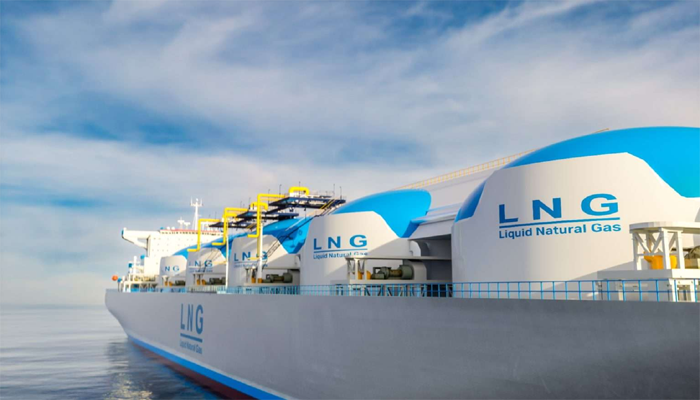
LAHORE: Petroleum Minister Ali Pervaiz Malik announced today that Pakistan will begin selling its excess liquefied natural gas (LNG) in international markets starting January 1. The decision marks a major policy shift aimed at reducing financial losses in the gas sector and improving the operational capacity of state-owned enterprises.
Speaking at a press conference in Lahore, Malik explained that Pakistan has been importing LNG from Qatar, a longstanding energy partner, as well as from the Italian company Eni. However, with a decline in LNG consumption for power generation over the past few months, the country has found itself with surplus supplies. This surplus, he noted, has created a growing financial burden.
According to the minister, the reduction in power sector demand forced the government to divert LNG toward domestic consumers. While this helped avoid immediate shortages, it also intensified circular debt within the gas sector. Malik highlighted that Pakistan suffered losses amounting to nearly Rs1,000 billion between 2018-19 and the present because of this diversion and imbalance in gas distribution.
He stated that selling excess LNG internationally from January 1 would significantly reduce this financial strain. It would also help Pakistan avoid additional losses that could arise from unused or oversupplied LNG cargoes. Malik emphasised that the move will not only lessen the economic burden but also enable state-owned enterprises in the energy sector to operate at full capacity and generate profit, enhancing overall sector stability.
Reports over recent months suggested that Pakistan had been actively exploring options to manage the gas surplus. Last month, Pakistan finalised an agreement to cancel 21 LNG cargoes under its long-term contract with Eni. The decision was part of a broader plan to control excessive imports that had overwhelmed the domestic gas network.
In addition, Pakistan has been in discussions with Qatar regarding adjustments to future LNG supplies. Sources familiar with the matter indicated that these discussions include possibilities such as deferring cargoes or reselling them under existing contractual arrangements. These measures collectively form part of Pakistan’s strategy to prevent oversupply, stabilise the gas sector and avoid further accumulation of circular debt.
Malik reiterated that the government remains committed to ensuring efficient energy management and reducing financial losses. He expressed confidence that exporting excess LNG will provide much-needed relief to the sector while supporting Pakistan’s economic recovery initiatives.