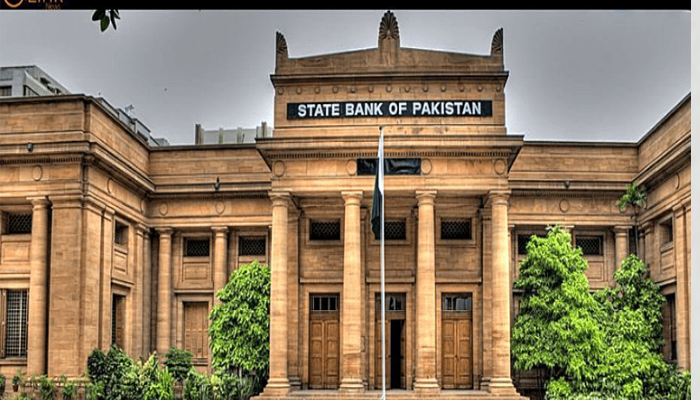
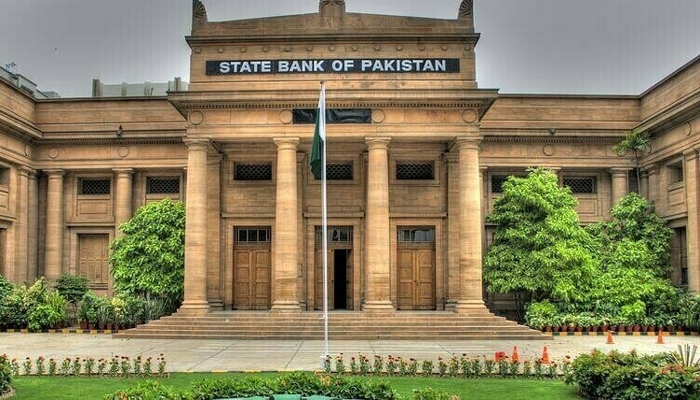
ISLAMABAD: Pakistan’s central bank is widely expected to keep its benchmark interest rate unchanged at 11 percent in the upcoming policy meeting on Monday, according to a Reuters poll of market analysts. The survey, which included 12 economists and financial experts, shows unanimous agreement that the State Bank of Pakistan (SBP) will maintain the current stance as inflation pressures remain a concern and the International Monetary Fund (IMF) urges the authorities to avoid premature monetary easing.
Analysts now expect the easing cycle to begin much later than previously forecast. Most foresee the first rate cut taking place in the final months of fiscal year 2026, which ends in June 2026. Some have even moved their expectations into the start of fiscal year 2027, beginning July 2026. The shift in projections comes after the IMF’s latest review warned that inflation risks are still present and monetary policy must remain “appropriately tight” to keep expectations anchored.
The IMF highlighted that the SBP’s forward-looking positive real interest rates have played a critical role in reducing inflation from the previous years’ highs. It cautioned that maintaining a tight policy stance is essential not only for price stability but also for rebuilding external buffers, which remain vulnerable despite recent improvements.
The SBP has kept the policy rate at 11 percent since September, following a dramatic easing cycle in which rates were reduced by 1,100 basis points between June 2024 and May 2025. These cuts were made possible by a sharp decline in inflation from peaks near 40 percent in 2023. However, inflation has recently begun to tick upward again due to volatile food and transport prices and the gradual disappearance of favorable base effects.
In November, headline inflation stood at 6.1 percent, only slightly below October’s 6.2 percent, and still above the SBP’s target range of 5 to 7 percent. The IMF projects inflation to rise to between 8 and 10 percent during the current fiscal year before stabilising later.
Economists warn that Pakistan’s economic recovery remains vulnerable to external shocks, with any premature rate cuts posing potential risks to the rupee. Although expected IMF inflows, including a recent $1.2 billion disbursement, will help strengthen foreign reserves and support ongoing climate-resilience efforts, analysts say maintaining stability requires cautious policy decisions. According to Sana Tawfik, head of research at Arif Habib Ltd, any demand-driven rise in economic activity could “have an adverse impact on the external front,” reinforcing the need for the SBP to maintain a careful stance for now.