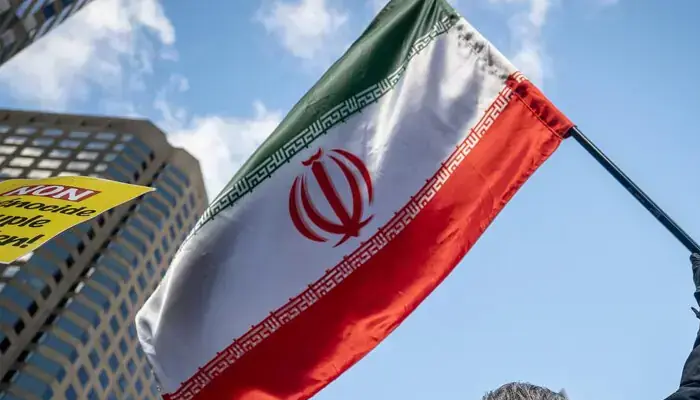

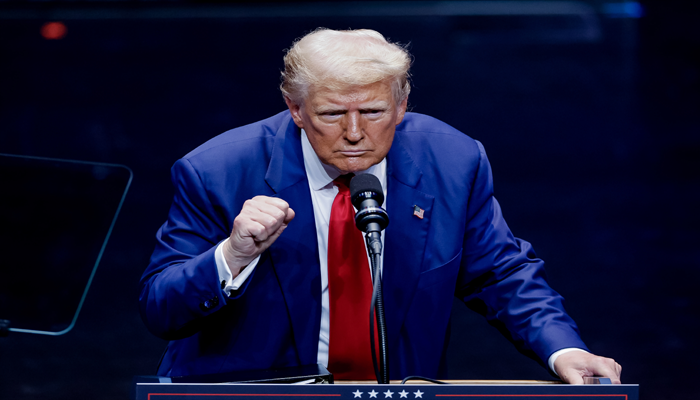
WASHINGTON: Donald Trump said he has no interest in negotiating with Iran and suggested the ongoing conflict might only conclude when the country no longer has a functioning military or leadership. Speaking to journalists aboard Air Force One, the U.S. president indicated that the continuing air campaign could make negotiations irrelevant if Iran’s remaining leaders are eliminated and its armed forces dismantled.
Trump remarked that the conflict might reach a point where there is no one left in Iran’s leadership capable of formally surrendering.
Meanwhile, fighting intensified as the war between the United States–Israel alliance and Iran entered its second week, with both sides launching fresh attacks on Saturday.
Iranian President Masoud Pezeshkian issued an apology to neighboring countries impacted by Iranian strikes on U.S. bases located in their territories. He urged regional states not to participate in the American-Israeli offensive against Iran. However, his remarks sparked criticism among hardliners inside Iran.
Pezeshkian rejected Trump’s call for Iran’s unconditional surrender, describing it as unrealistic. He added that Iran’s temporary leadership council had agreed to halt attacks on nearby countries unless military strikes against Iran were launched from their soil.
Israeli Prime Minister Benjamin Netanyahu said in a televised address that members of the Islamic Revolutionary Guard Corps who surrender would not be harmed.
Iranian officials denied any divisions within their leadership over how to handle the conflict. Ali Larijani, secretary of Iran’s Supreme National Security Council, stated on state television that government officials remain united in their response.
Elsewhere, an explosion struck the U.S. embassy compound in Oslo early Sunday, causing minor damage but no injuries. Authorities said the cause of the blast was not immediately known.
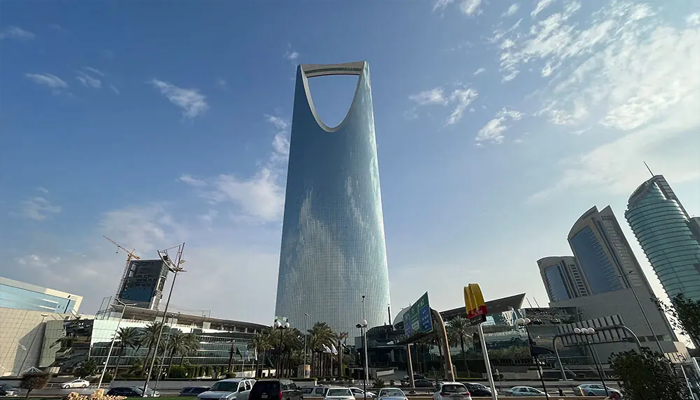
Regional tensions also escalated as Saudi Arabia warned Tehran that continued attacks on its territory or energy infrastructure could provoke retaliation. Saudi defense officials reported intercepting a drone targeting the diplomatic district in Riyadh.
Iranian state media later said drones targeted a U.S. air combat center near Abu Dhabi, though the report could not be independently verified.
The conflict has expanded beyond Iran and Israel. Iran claimed to have struck U.S. forces in Bahrain, while explosions were reported in Doha. Drone attacks also targeted fuel storage facilities at Kuwait International Airport.
Israel also intensified operations against Iran-aligned Hezbollah in Lebanon. Israeli strikes reduced several buildings in southern Beirut to rubble, while the death toll from Israeli attacks across Lebanon since Monday reached around 300, according to Lebanese health authorities.
According to Iran’s ambassador to the United Nations, Amir Saeid Iravani, the U.S.-Israeli campaign has killed at least 1,332 Iranian civilians and injured thousands. Iran’s retaliatory attacks have killed 10 people in Israel, while six U.S. service members have also died.
The widening conflict has disrupted global markets, driving oil prices to multi-year highs as the strategically important Strait of Hormuz has effectively been closed. Several Gulf countries, including Kuwait, Iraq and Qatar, have already reduced oil and gas production amid the instability.