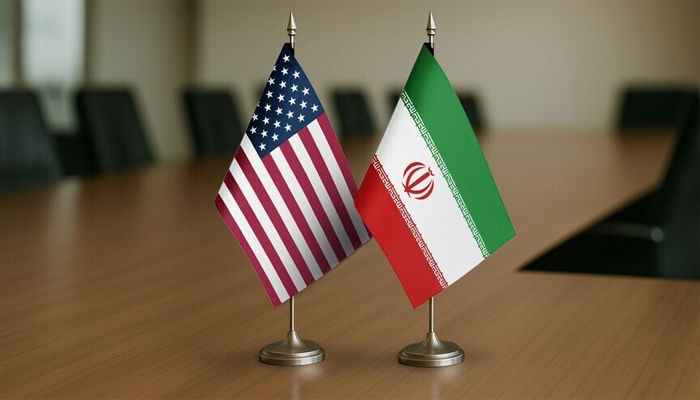
LONDON: The United States and Iran have announced a preliminary peace agreement aimed at ending the recent conflict, with Pakistan playing a key role as a mediator in the negotiations. The development has drawn global attention as it could significantly impact Middle East peace, global oil markets, and international security.
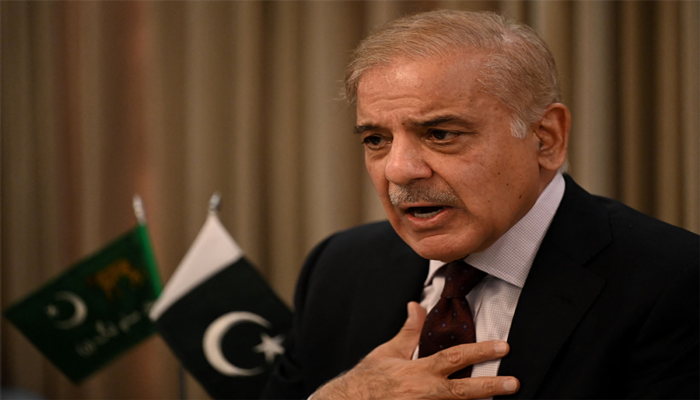
According to Prime Minister Shehbaz Sharif, both countries have agreed to an immediate and permanent end to all military operations. A memorandum of understanding is expected to be signed in Switzerland on Friday, outlining the framework for the ceasefire and future negotiations.
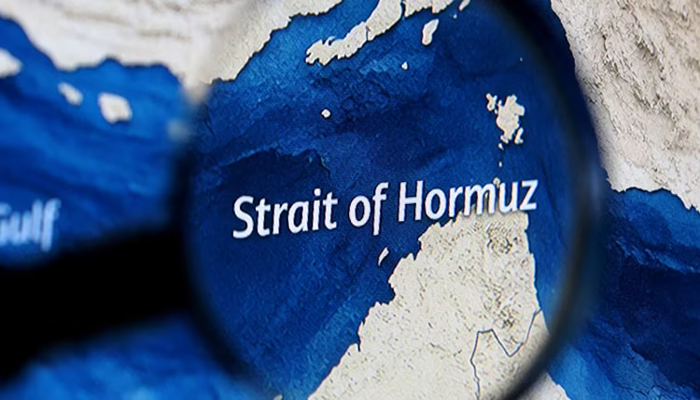
One of the most important aspects of the agreement is the planned reopening of the Strait of Hormuz, a critical global energy route. US President Donald Trump confirmed that the strategic waterway would reopen following the signing of the memorandum. Iranian officials also stated that commercial shipping traffic would resume, helping stabilize international oil prices and energy supplies.
The agreement also addresses concerns regarding Iran’s nuclear program. Iranian officials said Tehran would temporarily freeze nuclear activities, including further uranium enrichment and expansion of nuclear facilities, while broader negotiations continue. Both sides have reiterated that Iran will not pursue nuclear weapons, a key issue in US-Iran relations for decades.
Negotiations on long-term issues, including US sanctions on Iran and nuclear inspections, are expected to continue over the next 60 days. Iranian officials claim Washington has agreed not to impose new sanctions during this period and may consider easing restrictions on Iran’s oil exports as part of a final settlement.
The financial dimension of the proposed agreement could also be significant. Iranian representatives stated that discussions include the release of frozen Iranian assets and future economic cooperation measures. However, President Trump emphasized that no direct cash transfers have been approved, although sanctions relief remains under consideration.
The ceasefire framework also extends to Lebanon. Iranian and Pakistani officials stressed that military operations in Lebanon would end under the agreement, while regional security arrangements remain under discussion. Analysts believe the deal could mark an important step toward reducing tensions across the Middle East and promoting long-term regional stability.