ISLAMABAD: The World Bank has warned that Pakistan’s exports remain far below their potential, revealing an untapped export capacity of nearly USD 60 billion. In its latest *Pakistan Development Update*, the Bank highlighted that exports as a share of GDP have fallen sharply — from an average of 16 percent in the 1990s to just 10.4 percent in 2024 — leaving the economy heavily reliant on debt and remittance-fueled consumption.
Once ahead of Bangladesh and India in export performance, Pakistan now trails both, as well as the averages for low- and middle-income economies. The report attributes the decline to high tariffs, burdensome regulations, costly energy, weak logistics, and limited innovation. It warned that the widening gap between actual and potential exports is a key structural weakness that perpetuates Pakistan’s boom-bust economic cycles.
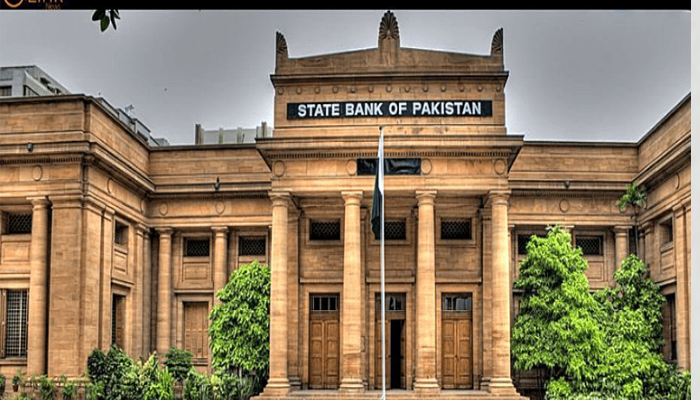
According to the World Bank, closing the USD 60 billion gap would require doubling Pakistan’s current export share in GDP. It urged comprehensive reforms — including a market-driven exchange rate, improved trade finance, enhanced logistics and compliance, and deeper regional trade integration. The Bank also called for an end to ad hoc currency interventions by the State Bank of Pakistan, advocating instead for a transparent and liquid interbank market.
The report noted that Pakistan’s export growth has been driven more by price increases than by innovation or diversification, making it vulnerable to global price swings. The government’s five-year National Tariff Plan aims to cut average tariffs from 20.2 percent to 9.7 percent by 2030 — one of the most ambitious reform programs globally.
Digitally delivered exports now account for 10 percent of total exports, but Pakistan’s global share is only 0.1 percent — far behind India’s 5.8 percent. Despite strong growth in IT services worth USD 2.9 billion annually, weak broadband infrastructure and fragmented regulations continue to hinder progress.
Report co-author Anna Twum commended Pakistan’s tariff reforms but cautioned that “tariff reforms alone will not suffice,” stressing the need for complementary measures to strengthen trade finance, infrastructure, and access to global markets.