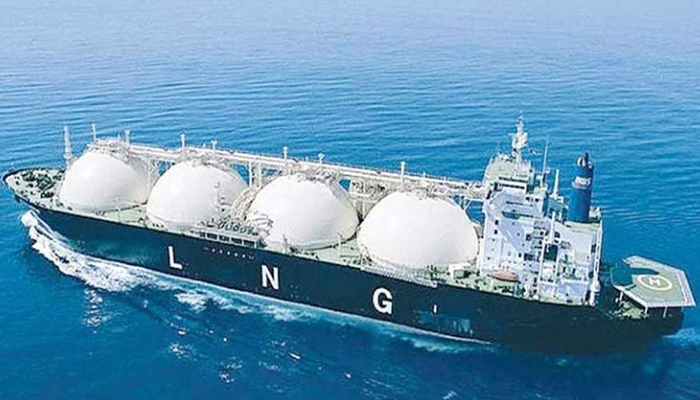

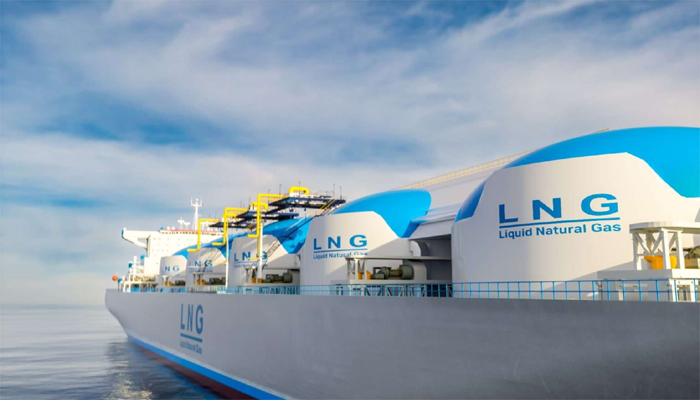
Azerbaijan has expressed readiness to supply liquefied natural gas (LNG) to Pakistan, offering potential relief to the country’s growing energy demands. The announcement came from SOCAR, which stated it is prepared to begin LNG deliveries as soon as a formal request is made by Pakistan LNG Limited.
According to SOCAR officials, the company is fully equipped to provide LNG shipments promptly once Pakistan initiates the procurement process. The development signals a possible strengthening of energy cooperation between the two countries at a time when Pakistan is actively seeking reliable and cost-effective fuel sources to manage its ongoing energy crisis.
Pakistan has been facing persistent challenges in securing affordable LNG supplies due to volatile global energy markets and increasing demand. The country relies heavily on imported LNG to run power plants and meet industrial and domestic energy requirements. Any additional supply agreements could help ease pressure on electricity generation and reduce the risk of power shortages.
The potential LNG deal also aligns with Pakistan’s broader strategy to diversify its energy import partners and reduce dependence on a limited number of suppliers. By engaging with Azerbaijan, Pakistan could gain access to new supply routes and pricing options, improving its overall energy security.
Energy experts believe that timely action by Pakistan LNG Limited will be crucial in turning this offer into a formal agreement. If finalized, the deal could contribute to stabilizing gas supply, especially during peak demand seasons when shortages often lead to load-shedding and increased electricity tariffs.
In recent years, Azerbaijan has expanded its presence in global energy markets, leveraging its strategic location and strong production capacity. Through SOCAR, the country has been actively pursuing partnerships in Asia and Europe, aiming to become a key LNG supplier.
For Pakistan, securing LNG from Azerbaijan could provide much-needed support in managing its energy shortfall while also strengthening bilateral economic ties. However, the success of this initiative will depend on swift negotiations, favorable pricing terms, and long-term contractual arrangements.