
ISLAMABAD – In a landmark move, the federal cabinet on Wednesday approved Pakistan’s largest-ever financial restructuring initiative to tackle the chronic issue of circular debt in the power sector.
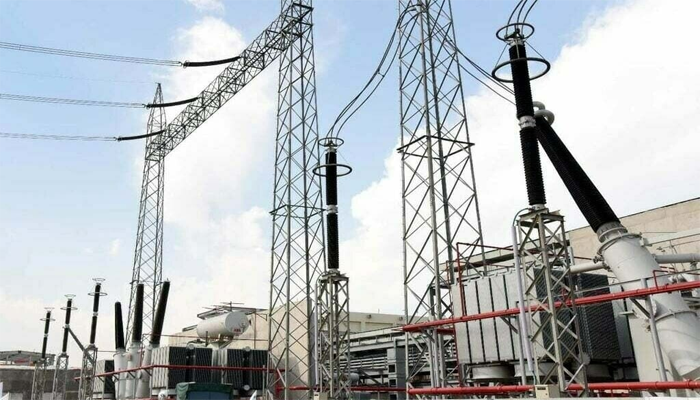
The plan aims to eliminate Rs1.275 trillion in circular debt over the next six years without adding any burden to the national budget.
According to a statement from the Prime Minister’s Office, the plan includes the refinancing of Rs683 billion in debt currently held by the Power Holding Company and the settlement of outstanding dues owed to Independent Power Producers (IPPs). The cabinet termed this a critical step toward restoring financial stability and investor confidence in the energy sector.
Prime Minister Shehbaz Sharif, who chaired the meeting, hailed the development as a major milestone in energy sector reforms. The cabinet also commended the finance ministry and economic team for presenting a "public-friendly" budget for FY 2025–26.
The prime minister used the occasion to voice strong condemnation of escalating violence in the Middle East. Expressing concern over the Iran-Israel conflict, Sharif warned of serious consequences for regional and global peace. He reaffirmed Pakistan’s solidarity with Iran and condemned Israeli strikes that killed and injured hundreds of civilians.
PM Sharif shared that he had spoken to Iranian President Masoud Pezeshkian to express Pakistan’s support and also held discussions with Turkish President Recep Tayyip Erdogan. Commenting on the humanitarian crisis in Gaza, he described the situation as "heart-wrenching," citing over 50,000 Palestinian deaths, and urged global powers to intervene and press for a ceasefire.
On foreign policy, Sharif announced that Deputy Prime Minister Ishaq Dar would represent Pakistan at the Organisation of Islamic Cooperation (OIC) foreign ministers' meeting in Türkiye on June 21-22.
Discussing the new federal budget, Sharif praised Finance Minister Muhammad Aurangzeb and the Federal Board of Revenue for crafting the budget through inclusive consultations. He highlighted that Pakistan had successfully persuaded the IMF not to impose new taxes on agriculture, particularly fertilisers and pesticides, to protect struggling farmers.
He also noted tax relief for middle-income earners, revealing that individuals earning between Rs600,000 and Rs1,200,000 annually would now pay just 1% income tax, down from 5% last year.
In a pointed remark, Sharif criticized the previous PTI government’s economic policies, saying his administration had prevented a financial collapse. He also emphasized a raised allocation of Rs1,000 billion for the Public Sector Development Programme and reaffirmed the government's commitment to equipping the armed forces in their fight against terrorism.
The cabinet also approved key appointments, including Kamaluddin Tipu as chairperson of the Commission for the Protection of Journalists and Media Professionals, and greenlit the acquisition of Rousch Power Plant by the National Power Parks Management Company.