

ISLAMABAD: A government committee monitoring petroleum prices has presented a detailed work-from-home proposal to Prime Minister Shehbaz Sharif as part of a broader strategy to conserve fuel amid potential global oil supply disruptions.
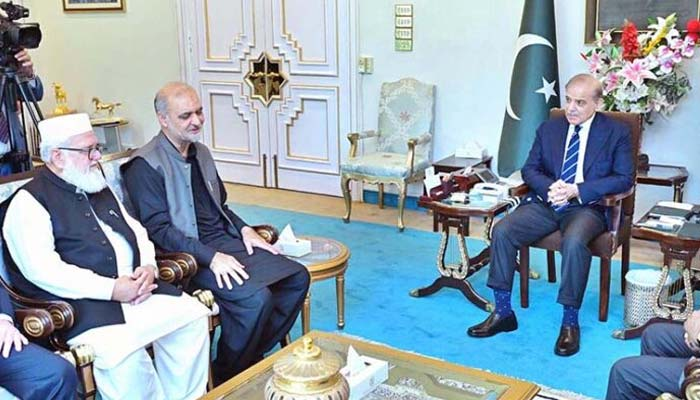
The proposal was discussed during a meeting chaired by the prime minister to review the country’s petroleum supply situation in light of rising regional tensions. During the briefing, Finance Minister Muhammad Aurangzeb informed the meeting about Pakistan’s existing fuel reserves and national consumption trends.
Officials said the plan includes measures to reduce working days for offices, educational institutions and service providers in order to cut fuel consumption. Under the proposal, schools and universities may shift to virtual learning systems while government and private offices could adopt work-from-home arrangements.
The committee also proposed reviewing petroleum product prices on a weekly basis to better respond to fluctuations in the global market.
Participants in the meeting agreed to launch a strict crackdown against the hoarding and smuggling of petroleum products. Sources said the prime minister will take final decisions after examining the committee’s recommendations.
Earlier, the committee held a session under the chairmanship of Finance Minister Muhammad Aurangzeb to assess the fuel supply situation. Officials reported that Pakistan currently has adequate petroleum reserves and there is no immediate threat to fuel availability.
However, the committee noted that the regional situation remains uncertain, requiring continuous monitoring as global supply chains and shipping routes face increasing risks and higher transportation costs.
Officials warned that rising “war premium” charges and stronger competition for energy shipments, particularly in Asian markets, could put pressure on Pakistan’s external finances if international price volatility continues.
The meeting was also informed that Pakistan is engaging diplomatically and commercially with friendly countries and partner suppliers to secure additional crude oil and refined petroleum supplies through alternative shipping routes and ports.
Authorities are also reviewing operational measures to reduce shipping delays, including improving vessel berthing procedures and utilising available national shipping resources where possible.
The developments come amid escalating tensions between United States and Iran, which have disrupted maritime activity in the Strait of Hormuz — a vital global energy route through which nearly one-fifth of the world’s seaborne crude oil and large volumes of liquefied natural gas are transported.
Sources added that the government is also working on a broader national energy conservation plan, which may include online classes and smart working systems similar to those implemented during the COVID-19 pandemic.