
CHINA: Chinese Foreign Minister Wang Yi has officially expressed China’s support for Pakistan’s role as a key mediator in the ongoing conflict between the United States and Iran. During a high-level diplomatic call with Pakistan’s Deputy Prime Minister and Foreign Minister Ishaq Dar on Friday, both leaders emphasized that initiating peace talks is essential for restoring stability and normal navigation through the strategic Strait of Hormuz.
The Chinese Ministry released a summary of the discussion, noting that both nations have agreed to jointly promote a ceasefire and a cessation of hostilities. A primary focus of these diplomatic efforts is to ensure the safety of non-military targets and vital international waterways that have been disrupted by the month-long war. Wang Yi acknowledged that while brokering peace in such a volatile climate is no easy task, it remains the only viable path to securing global shipping lanes and protecting non-combatants.
Foreign Minister Ishaq Dar shared details of the conversation on social media, reaffirming the shared commitment of Pakistan and China to the United Nations Charter. He noted that the two countries are working closely to ensure an immediate end to the violence and a resumption of structured dialogue. This development follows a similar exchange on March 10, where China commended Pakistan’s constructive role in promoting de-escalation across the Middle East.
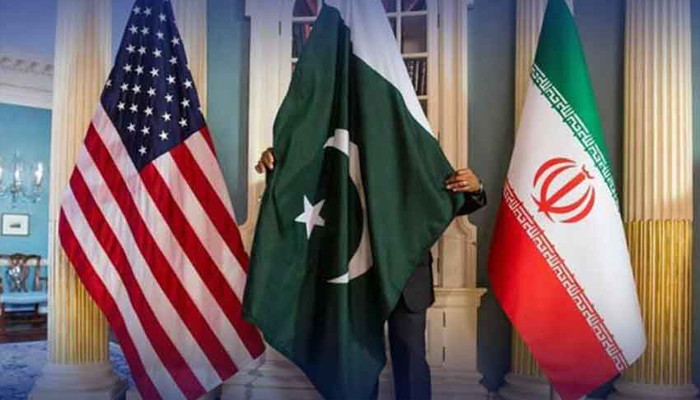
Pakistan has recently taken center stage in the mediation process, operating alongside Turkiye and Egypt. Officials have confirmed that indirect exchanges between Washington and Tehran are currently taking place through structured message relays provided by Islamabad. Dar recently confirmed that a 15-point U.S. framework has been shared with Iranian leadership and is currently under deliberation. As the international community watches closely, the collaboration between Islamabad, Beijing, Ankara, and Cairo represents a significant multilateral effort to prevent further regional escalation and safeguard the global economy from energy supply shocks.