
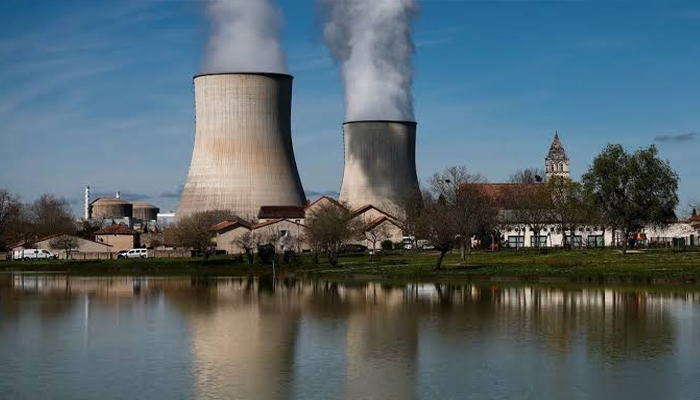
France has temporarily shut down three nuclear reactors and reduced power output at eight others as an intense heatwave continues to grip the country, forcing authorities to take measures to protect rivers from excessive warming.
State-owned energy giant EDF announced on Sunday that reactors at the Golfech, Bugey and Chooz nuclear power plants had been taken offline due to soaring temperatures and environmental regulations governing cooling water discharges.
The affected facilities are located along the Garonne, Rhone and Meuse rivers, which provide the water used to cool nuclear reactors. As temperatures rise, the cooling process heats the river water before it is discharged back into the waterways. Authorities say limiting reactor operations helps prevent rivers from becoming dangerously warm and protects aquatic ecosystems.
EDF said the shutdowns were necessary "due to the weather conditions and to comply with regulations on cooling water discharges, and thus to protect the environment."
In addition to the three reactors that have been switched off, eight other nuclear reactors across France are operating at reduced capacity to limit their environmental impact during the ongoing heatwave.
The French Economy Ministry has granted a temporary exemption allowing the Bugey nuclear plant to exceed standard water temperature limits for the Rhone River until July 20. Officials said the measure was required to ensure the stability and security of the national electricity grid while balancing environmental concerns.
This marks the second time in recent weeks that EDF has been forced to reduce nuclear power generation because of extreme heat. A record-breaking heatwave in June also led to temporary reactor shutdowns as unusually high river temperatures affected cooling operations.
France is currently experiencing its third major heatwave since May, with more than one-third of the country placed under the highest weather alert. According to weather forecasts, temperatures could climb to 41 degrees Celsius, affecting more than 25 million people.
The prolonged heat has disrupted daily life across the country, forcing tourist attractions to close early, prompting event cancellations, and shortening a stage of the Tour de France. Authorities have also reported an increase in wildfires and drowning incidents as residents seek relief from the extreme temperatures.
Scientists have repeatedly warned that climate change is increasing the frequency and intensity of heatwaves across Europe. The recurring extreme weather has exposed vulnerabilities in France's energy infrastructure, highlighting the growing challenge of maintaining reliable electricity supplies while protecting the environment during prolonged periods of intense heat.